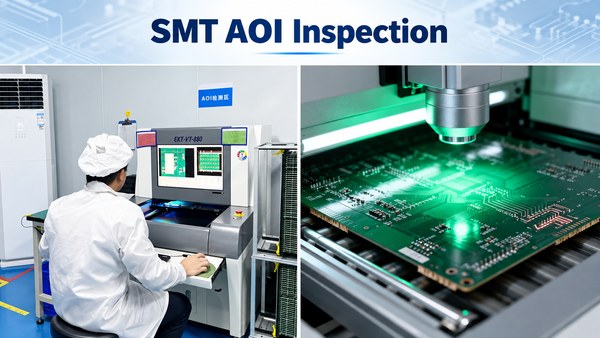
AOI Inspection in SMT Assembly: How It Works, What It Detects, and Its Limitations
Learn how AOI inspection works in SMT assembly, which visible defects it detects, how 2D and 3D AOI differ, and where X-ray and testing are still needed.

Learn how AOI inspection works in SMT assembly, which visible defects it detects, how 2D and 3D AOI differ, and where X-ray and testing are still needed.
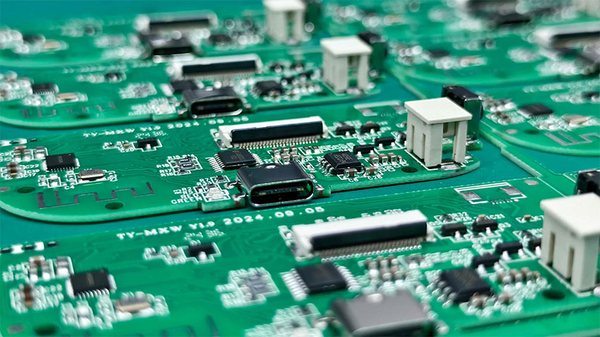
Learn what SMT components are, how passive, active, and electromechanical SMDs differ, and how common packages affect PCB assembly.
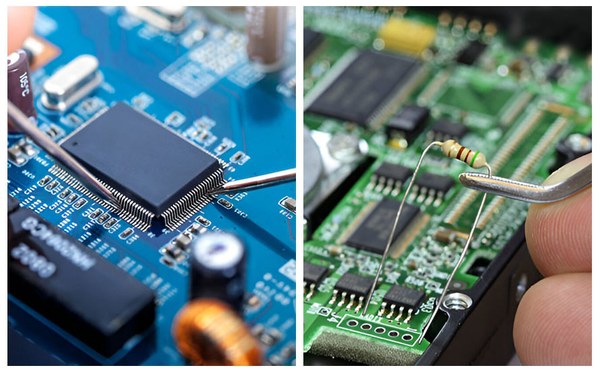
Understand the differences between SMT and THT assembly, including component mounting, PCB density, signal performance, automation, cost, and mixed-technology use.
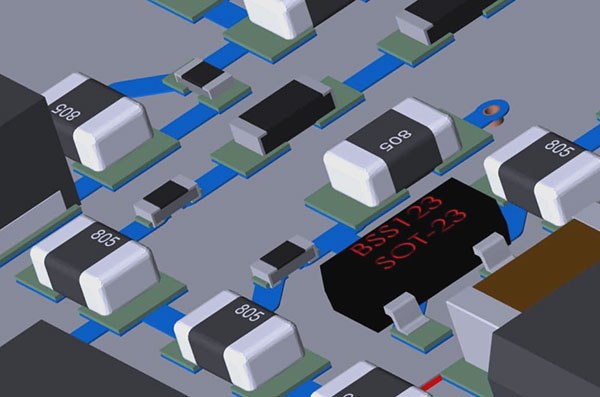
Use this PCB assembly DFM checklist to review revisions, fabrication data, BOMs, footprints, placement files, assembly drawings, test access, and quality requirements before RFQ submission.

Learn why PCB assembly quotes vary and how to compare supplier scope, BOM sourcing, assembly, inspection, NRE, lead time, and commercial terms.
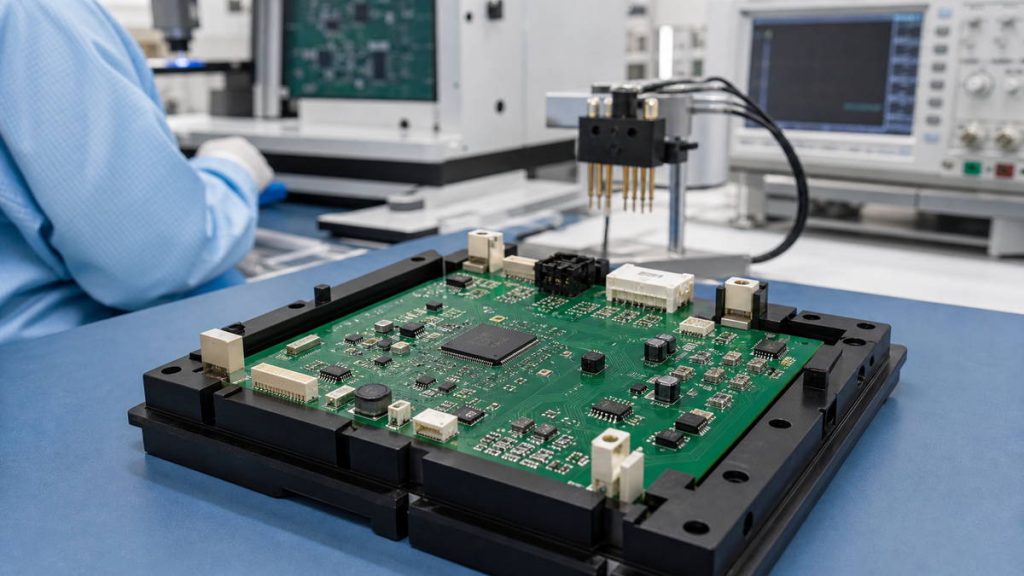
Learn how AOI, X-ray, electrical checks, firmware programming, interface tests, fixtures, and traceability fit into blood pressure monitor PCBA testing.
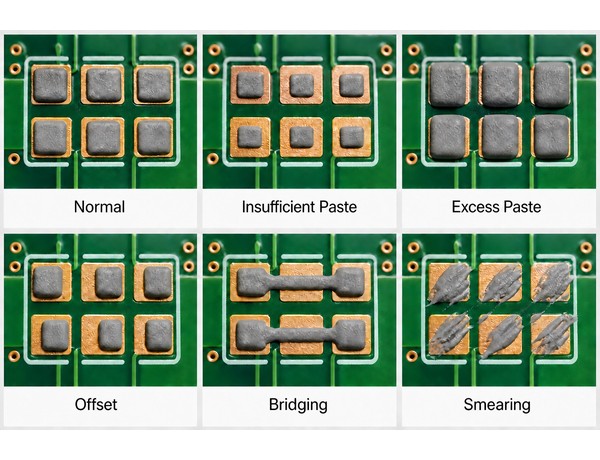
In SMT assembly, solder paste must be deposited accurately on PCB pads through a stencil before components are placed. Although
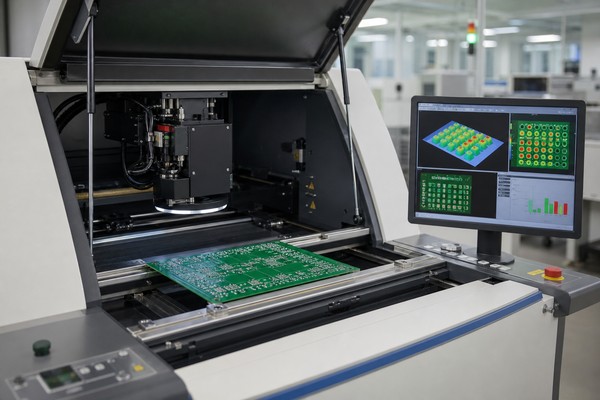
In SMT assembly, solder paste printing is a critical step before component placement. Solder paste must be transferred through the
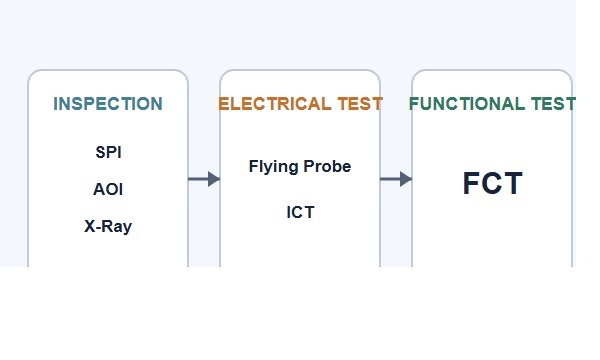
PCB assembly testing is not a single final inspection performed after production is complete. Different inspection and test methods target
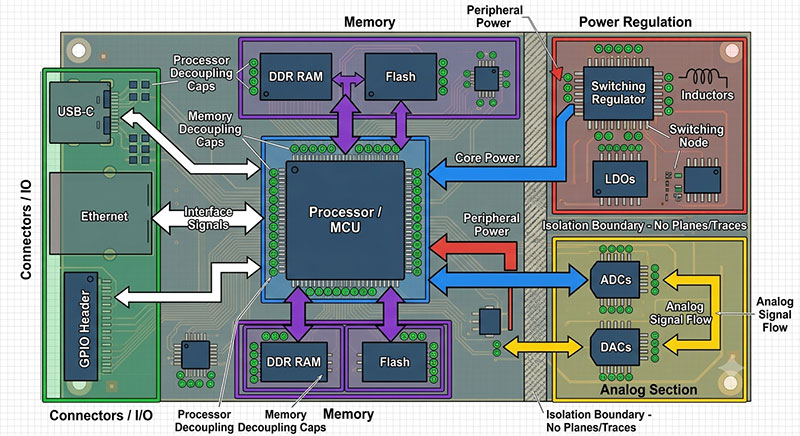
A reliable multilayer PCB layout depends on more than fitting every connection onto the available layers. Once the layer count