
Anesthesia Machine PCB Assembly
Home » Therapeutic Device » Anesthesia Machine PCB Assembly
SugaMed provides custom PCB assembly for the multiple electronic boards used in anesthesia machines and workstations. We support NPI prototypes, pilot builds, low-volume production, repeat manufacturing, and multi-board box-build integration.
Our full-turnkey service covers component sourcing, SMT and THT assembly, programming, inspection, customer-approved testing, and production records under an ISO 13485 quality system.
- ISO 13485 · ISO 9001
- IPC-A-610 Class 2 or Class 3
- 15 SMT Lines
What Is Anesthesia Machine PCB Assembly?
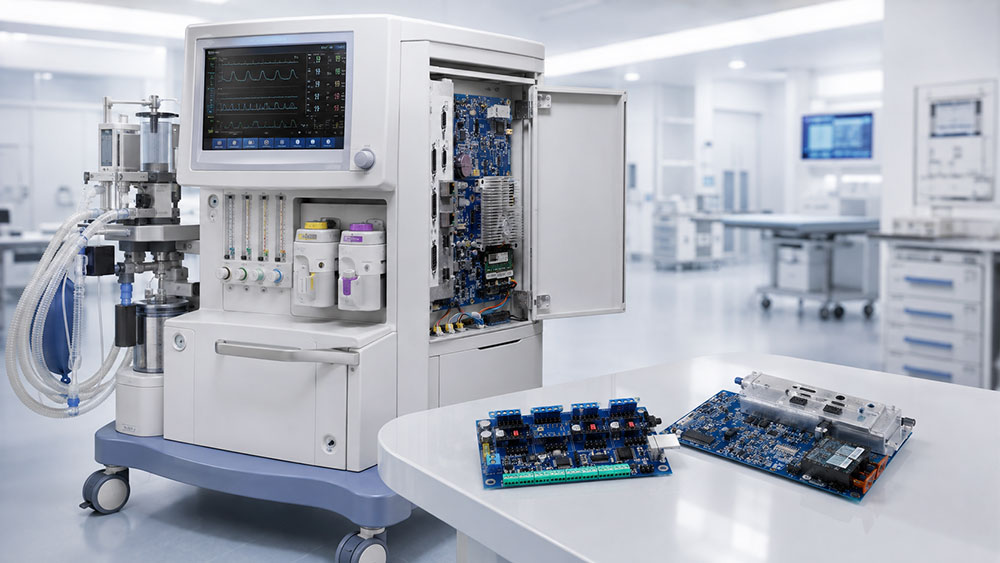
Anesthesia machine PCB assembly refers to the manufacturing of PCB assemblies used in anesthesia machines, workstations, and related anesthesia delivery systems. These assemblies may include system-control, gas-delivery, ventilation-control, sensor-interface, power, display, alarm, and communication boards.
Because these boards operate as part of one interconnected system, their components, hardware revisions, programmed files, inspection requirements, and test procedures must remain aligned throughout prototype and repeat production. Assembly defects, incorrect components, or revision mismatches may affect sensor readings, valve control, alarms, communication, or system integration.
SugaMed manufactures PCB assemblies for anesthesia equipment electronics under an ISO 13485 quality system. Assembly workmanship is controlled to IPC-A-610 Class 2 or Class 3 according to the approved project requirements.
PCB Assemblies Used in Anesthesia Machines
The exact board architecture varies by equipment design, but the following groups are commonly found in anesthesia machines and workstations.
System Control and HMI Assemblies
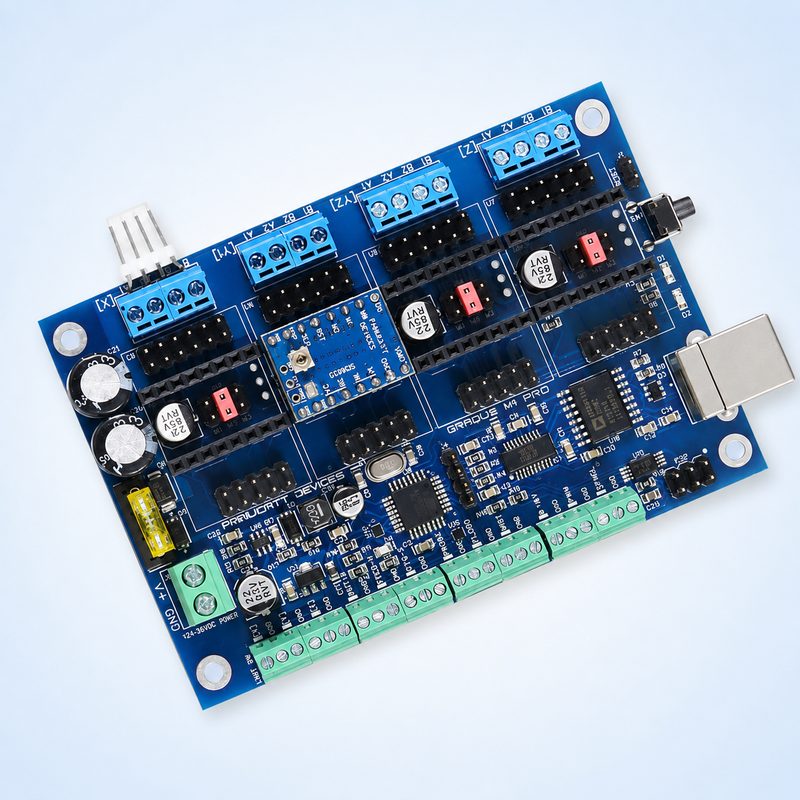
System-control boards may combine processors, memory, supervision circuits, event records, display interfaces, touch controls, keys, rotary inputs, audio alarms, and communication between functional modules.
During manufacturing review, the hardware revision, BOM option, programmed image, connector assignment, and inspection requirements are checked against the released project files.
Gas Delivery and Ventilation Control Assemblies
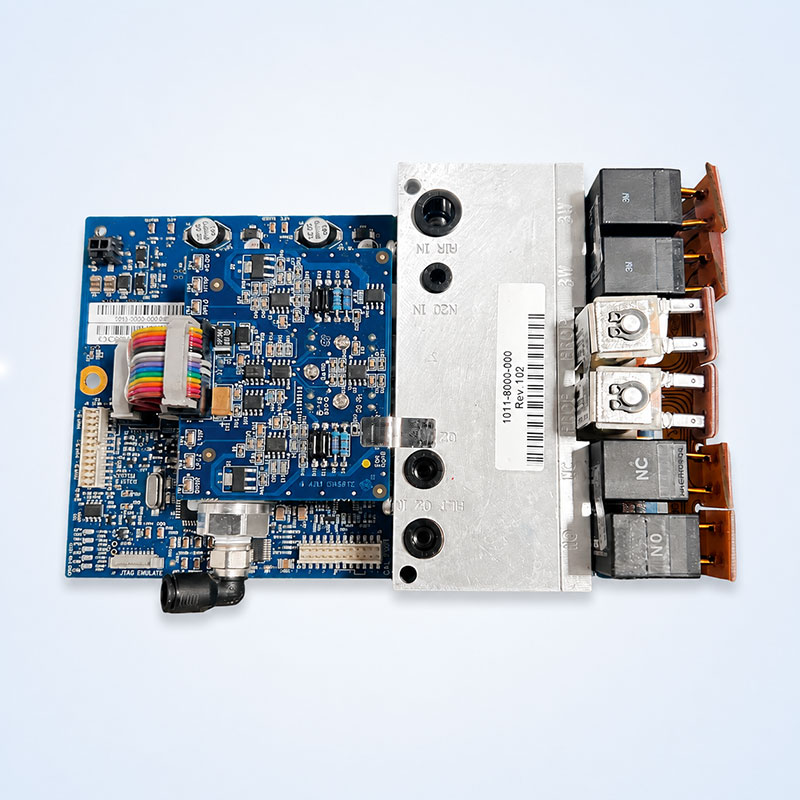
These assemblies may connect to gas-selection valves, proportional valves, inspiratory and expiratory valves, PEEP controls, relays, blowers, or turbine systems.
DFM and DFT review focuses on assembly risks around driver components, thermal connections, flyback devices, high-current solder joints, connector ratings, and access for loaded-output testing.
Sensor, Power, and Communication Assemblies
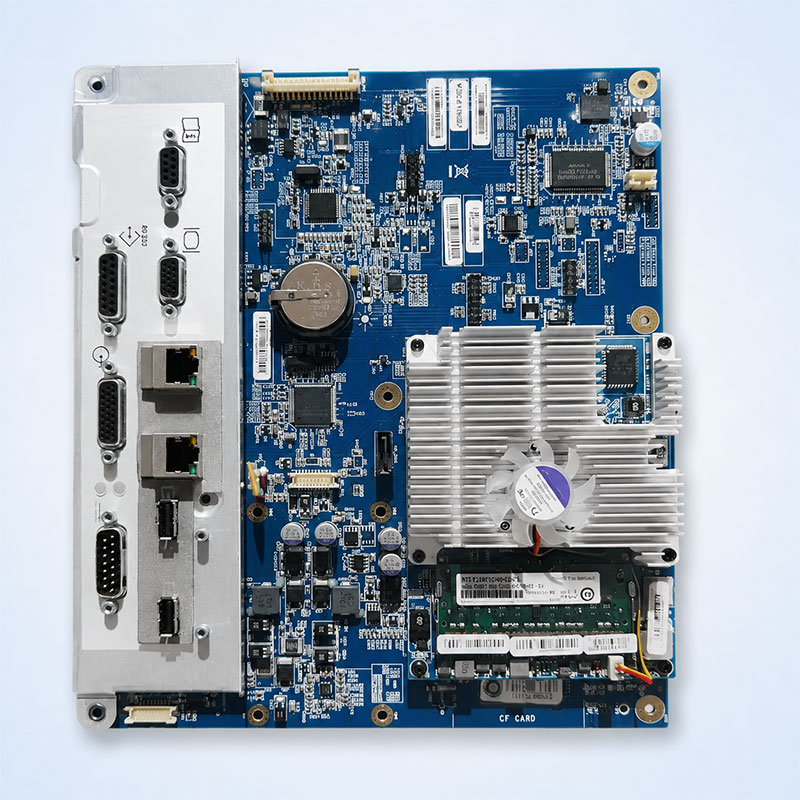
This group may include pressure, flow, oxygen, and temperature interfaces together with isolated power rails, battery management, Ethernet, USB, serial, CAN, and board-to-board communication.
Production controls address component approval, polarity, connector alignment, isolation-related workmanship, programmed identity, and inspection of BGA or other hidden solder joints.
Manufacturing Support from NPI to Production
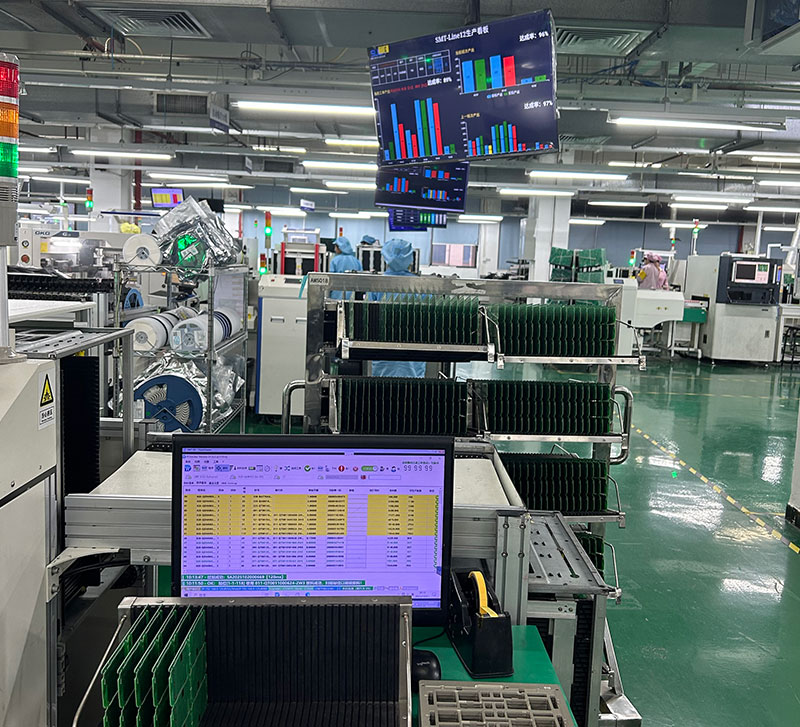
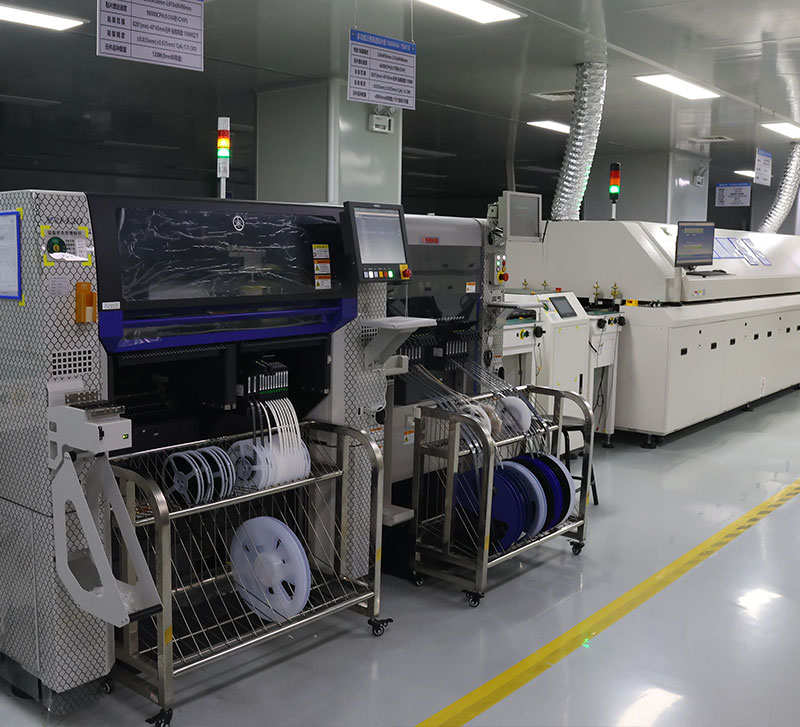
SugaMed supports anesthesia equipment OEMs through one manufacturing workflow, from engineering review and prototype assembly to pilot builds, repeat production, and box-build.
| Area | Manufacturing support |
|---|
| Engineering and NPI | DFM and DFT review, prototype builds, first-article approval, pilot production, and controlled transfer to repeat manufacturing |
| Assembly and sourcing | Full-turnkey component sourcing, double-sided SMT, THT, mixed assembly, wave soldering, and assembly of PCBs up to 40 layers |
| Fine-pitch capability | 01005 components, BGA and QFN pitch down to 0.35 mm, and connector pitch down to 0.4 mm |
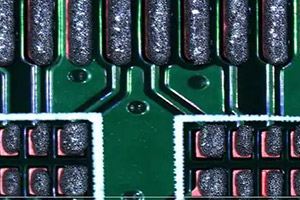
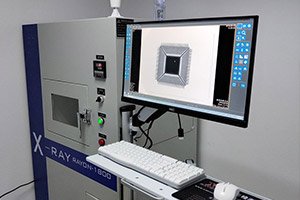
| Inspection | 3D SPI, 100% post-reflow AOI for prototype SMT assemblies, first-article inspection, and 100% X-Ray inspection of BGA solder joints |
| Programming and integration | Firmware programming, cable and enclosure integration, multi-board turnkey assembly, and component-lot and revision traceability |
Manufacturing is supported by 15 Fuji and Yamaha SMT lines in China, together with through-hole insertion, PCBA, and more than 40 box-build lines.
The final process and inspection plan is established after review of the released design, component packages, workmanship class, test requirements, and required production records.
Key Challenges in Anesthesia Machine PCB Assembly
01 · Sensor Readings Can Shift When Valves or Motors Operate
A pressure or flow channel may read correctly while idle but move outside its accepted offset or noise range when a valve, solenoid, blower, or switching converter becomes active.
Incorrect component values, contamination, polarity errors, or assembly variation can reduce the margin of a sensitive measurement circuit. During DFM and DFT review, SugaMed checks manufacturing-related concerns such as component orientation, sensitive analog areas, actuator current paths, cleaning requirements, solderability, and test access.
When the customer provides an approved test method and acceptance limits, the sensor channel can be checked while the related output is operating rather than only under an idle condition.
02 ·Driver Outputs May Pass Unloaded but Fail Under the Intended Load
A valve or relay driver may switch correctly without a connected load but overheat, reset, or fail when used with the specified coil.
Possible causes include incorrect flyback-component orientation, poor high-current solder joints, hidden thermal-pad defects, connector resistance, or an unapproved substitute component.
SPI and AOI are used to inspect solder-paste application, placement, polarity, and visible solder joints. X-Ray or targeted inspection can be assigned where the package hides a thermal or power connection. Loaded testing is performed only against a customer-supplied or customer-approved fixture, load, switching pattern, duration, and acceptance criteria.
03 ·Hardware, Firmware, and Connected-Board Revisions Must Match
An individual board may pass inspection but still reject a sensor, report an invalid module state, or drive the wrong output after system integration.
The problem may come from a mismatch between the hardware revision, BOM option, firmware image, calibration data, connector assignment, test procedure, and other boards in the workstation.
The released production package therefore links the fabrication data, BOM, assembly drawings, programmed files, checksums, approved calibration data, test procedure, and connected-board requirements. Programming results and serial or lot identity can be recorded before functional testing or box-build integration.
From DFM Review to Controlled Production
DFM & DFT Review
Material Control
SMT & Through-Hole
SPI / AOI / X-Ray
Programming & Test
Traceable Release
Quality System and Production Workmanship
ISO 13485
ISO 9001
IPC-A-610 Class 2
IPC-A-610 Class 3
Certified Management Systems
- ISO 13485 — the quality management system used for medical-device manufacturing programs.
- ISO 9001 — the quality management system applied across controlled manufacturing operations.
Assembly Workmanship
SugaMed supports IPC-A-610 Class 2 and IPC-A-610 Class 3 workmanship according to the approved project requirements. The required class is agreed before production and recorded in the assembly and inspection criteria. Class 3 is not presented as the automatic level for every build.
Production Controls
- DFM and DFT review of spacing, analog and power boundaries, package risks, connectors, programmed parts, and test access.
- Manufacturer part number, approved-alternate, moisture, lot, and shelf-life checks before material release.
- SPI, AOI, first-article inspection, and X-Ray coverage assigned according to package and board risk.
- Hardware, BOM, programmed file, calibration data, test procedure, and serial or lot configuration control.
- Inspection, deviation, rework, programming, and customer-defined test records retained according to the project quality plan.
Customer-Defined Test Scope
Sensor-input simulation, loaded valve or relay outputs, power sequencing, alarm hardware, display controls, communication ports, programming, checksums, calibration data, and board-to-board communication may be included when the customer specifies or approves the procedure, fixture, limits, and reference equipment.
SugaMed states only the management-system certifications, workmanship levels, and production controls listed above. Finished-device certification, product registration, clinical performance, and market approval remain with the customer and are not claimed on this page.
SPI / AOI Inspection
X-Ray Inspection Where Required
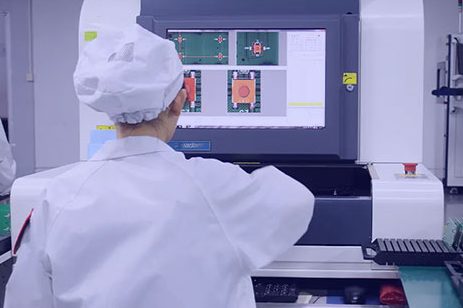
First-Article and Workmanship Review
Related Medical PCB Assembly Services
- CPAP / BiPAP PCB Assembly — pressure and flow sensing, blower control, power, and user-interface electronics.
- Infusion Pump PCBA — motor control, sensing, alarm, battery, and delivery-control hardware.
- Patient Monitor PCB Assembly — mixed-signal acquisition, isolation, display, alarm, and communication assemblies.
Start Your Anesthesia Machine PCBA Project
Send the available design files, BOM, quantities, and test requirements. Our medical PCB assembly team will review the project and respond within one business day.