
High Tg PCB Fabrication for Medical Device Applications
Home » High-Tg PCB
When standard FR4 runs out of thermal margin — under repeated reflow cycles, heat-generating components, dense multilayer assemblies, or long device service life — High Tg FR4 PCB material provides the dimensional stability and delamination resistance that medical device programs require.
Send your Gerber files, stack-up, and Tg or material requirement. Our engineering team reviews material selection and fabrication risks before production starts.
What Is a High Tg PCB
Tg — glass transition temperature — is the point at which a PCB laminate begins to soften and lose dimensional rigidity. It is not the temperature at which the board fails outright; it is the threshold above which the material starts to expand, warp, and lose the mechanical properties that keep vias intact, copper adhesion stable, and layer registration accurate.
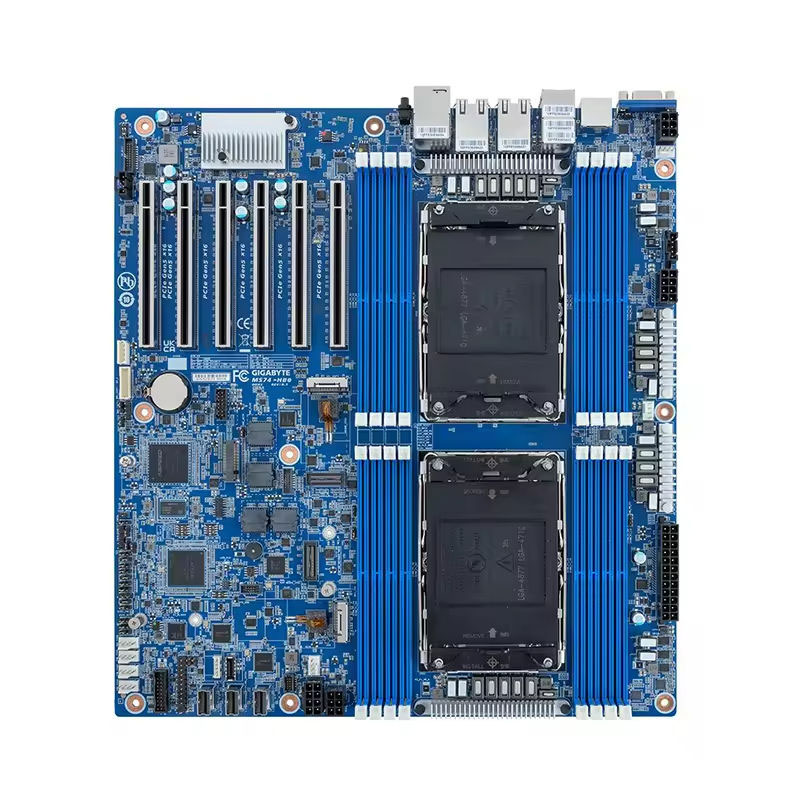
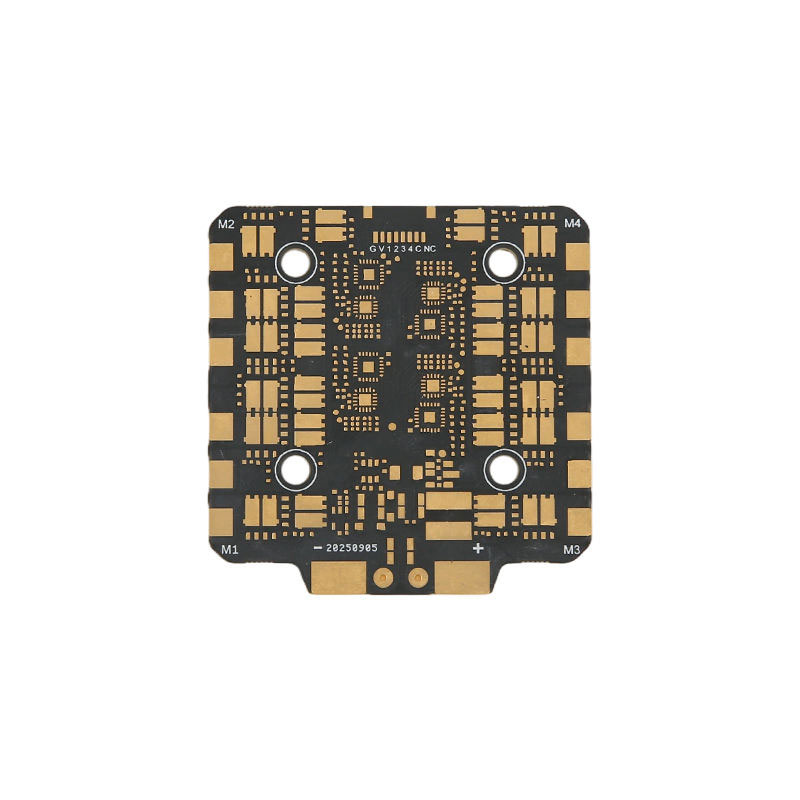
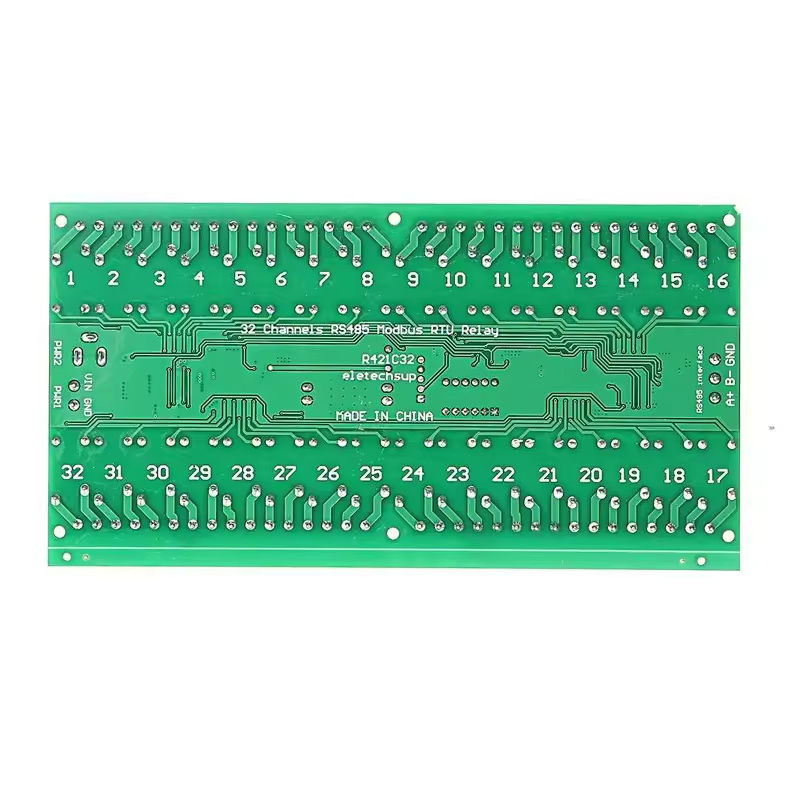
Standard FR4 has a Tg of approximately 130–140°C. Lead-free reflow peak temperatures run at 245–260°C — well above that threshold. For a single-pass assembly on a simple board, this is often manageable. For medical device boards with dense multilayer construction, thick copper, multiple reflow passes, or long operating life near heat-generating components, the cumulative thermal stress on standard FR4 can compromise dimensional stability and via reliability in ways that only appear later — in rework, in field return, or under ISO 13485 production audit.
High Tg FR4 PCB material raises the glass transition point to 150–200°C depending on grade, providing more headroom between process temperature and material limits. But Tg alone does not determine suitability. Td (decomposition temperature), CTE (coefficient of thermal expansion — especially Z-axis CTE under reflow), copper weight, board thickness, and the number of assembly passes all affect whether a given High Tg material is adequate for a specific medical device project. These are reviewed at DFM, before production starts.
Frequency vs. Substrate Performance Reference
| Standard FR4 | 130 – 140°C | 50–70 ppm/°C | General commercial electronics |
| Mid-Tg FR4 | ~150°C | 45–60 ppm/°C | Single lead-free reflow, moderate thermal load |
| High-Tg FR4 | 170 – 180°C | 35–50 ppm/°C | Multiple reflow passes, thermal cycling, autoclave environments |
For medical device programs manufactured under ISO 13485, material selection is a documented decision — not a default. We review Tg grade, Td, and CTE against your stack-up and reflow profile before confirming the build.
Choosing the Right High Tg PCB Material for Medical Devices
The right Tg grade depends on your assembly process, component density, copper weight, and how long the device will operate near heat-generating components. This is a summary — for a full material comparison, see the link at the end of this section.
Tg 130–140 — Standard FR4 Single-pass SMT assembly, low component density, benign operating environment. If your board meets these conditions and doesn’t require long service life near heat sources, standard FR4 is sufficient. Not recommended for multilayer medical device boards with dense BGA assembly or multiple reflow cycles.
Tg 150–170 — High Tg FR4 (most common for medical) The standard choice for medical device PCBs that require lead-free reflow, moderate copper weight (1–2oz), and service life beyond 5 years. Covers most patient monitoring, diagnostic, and portable medical device programs. Representative materials: FR408, Isola 370HR, S1000-2, IT-180A.
Tg 170–180 — High Tg FR4 (demanding assemblies) For boards with thick copper (3oz+), high layer count (12+), multiple reflow passes, or components that run continuously near their thermal limits. Applicable to wearable medical devices with high-density assemblies, or devices requiring rework and re-soldering cycles.
Tg 180+ — Advanced High Tg (specialized programs) For medical imaging boards, high-power therapeutic devices, or programs where long-term dimensional stability under sustained elevated temperature is a validated design requirement. Representative materials: Megtron 6, high-performance polyimide-modified laminates. Review with engineering before specifying.
| Grade | Tg Range | Td | Z-axis CTE | Typical Medical Use |
| Standard FR4 | 130–140°C | ~300°C | ~70 ppm/°C | Simple single-pass boards, non-critical applications |
| High Tg FR4 | 150–170°C | ~330°C | ~50 ppm/°C | Patient monitoring, portable diagnostics, IVD instruments |
| High Tg FR4 (advanced) | 170–180°C | ~340°C | ~45 ppm/°C | Dense multilayer, thick copper, multiple reflow passes |
| High Tg / Megtron | 180°C+ | ~350°C+ | ~40 ppm/°C | Imaging boards, high-power therapeutic devices |
For a detailed comparison of High Tg FR4, Td, CTE values, and medical PCB material selection across these grades, see our [High Tg PCB Material Selection Guide →]
High Tg FR4 PCB Fabrication Capabilities
Use this table to check whether your High Tg multilayer PCB or High Tg PCB prototype fits our standard medical PCB fabrication range. If your design falls outside these parameters, contact our engineering team before finalizing your stack-up.
| Parameter | Capability |
| Available Tg grades | 150°C (mid-Tg); 170°C; 180°C |
| Layer count | 1 – 20 layers |
| Min. trace / space | 3/3 mil standard; 2/2 mil advanced |
| Min. hole diameter | 0.2mm mechanical; 0.1mm laser drill |
| Copper weight | 1 oz – 4 oz |
| Board thickness | 0.4mm – 3.2mm |
| Surface finish | ENIG (recommended); HASL Lead-Free; Immersion Silver; OSP |
| Halogen-free option | Available on all Tg grades |
| Impedance control | ±10% standard; ±7% on request |
| Electrical test | 100% flying probe |
| AOI | 100% automated optical inspection |
| Thermal stress test | IST coupon available on request |
| HDI compatible | Yes — blind/buried via structures available on High-Tg substrate |
| Rigid-Flex compatible | Yes — High-Tg FR4 for rigid zones of rigid-flex builds |
All Tg values are measured by TMA (thermomechanical analysis). DSC values for the same materials run approximately 5–10°C higher — confirm the test method when comparing supplier datasheets. For High-Tg designs that also require HDI interconnect density, High-Tg FR4 can be combined with blind/buried via construction.
High-Tg PCBs We Fabricate for FDA Class I & II Medical Devices
These applications share one critical requirement: the PCB must withstand repeated thermal stress — from assembly, continuous operation, or both — that exceeds the long-term limits of standard FR4.
Surgical Lighting & High-Intensity Illumination Systems
High-power LED arrays generate junction temperatures well above 100°C at the board interface during hours of continuous clinical use. High-Tg FR4 (170°C range) is the standard choice for LED driver and thermal-management boards, preventing the intermittent failures that appear in standard FR4 over time.
Autoclave-Adjacent Medical Equipment
Sterilizers and instrument-processing systems expose electronics to 121–134°C saturated steam cycles plus high moisture. High-Tg FR4 (170–180°C) delivers significantly lower moisture absorption and superior interlayer stability, ensuring reliable performance after thousands of sterilization cycles.
Laboratory Diagnostic Analyzers with Thermal Cycling
PCR thermocyclers, biochemistry analyzers, and DNA amplification instruments create repeated ambient temperature swings. High-Tg material provides better dimensional stability and reduced laminate fatigue for the control boards operating inside these enclosures.
Power Electronics in Medical Capital Equipment
Medical imaging systems, electrosurgical generators, and high-power therapeutic devices produce sustained heat at IGBTs, MOSFETs, and high-current inductors. High-Tg FR4, combined with appropriate copper weight and thermal vias, maintains structural integrity under localized temperatures that approach or exceed the Tg of standard FR4.
Infusion Pump and Drug Delivery Controllers
Infusion pumps operate continuously for days in compact, poorly ventilated housings. High-Tg FR4 ensures the motor-controller and regulation boards remain stable throughout the device’s full regulatory service life.
Physical Therapy & Electrotherapy Equipment
TENS units, neuromuscular stimulators, and ultrasound therapy devices generate heat in power-amplifier stages during multiple daily clinical sessions. High-Tg FR4 prevents structural degradation under this sustained thermal loading.
If your device’s PCB doesn’t experience the thermal conditions described above, [Rigid PCB] fabrication on standard FR4 is the more cost-effective path. If your High-Tg design also requires HDI routing density, High-Tg FR4 can be combined with blind/buried via construction — see [HDI PCB].
What Medical Device Projects Require from High Tg PCB Fabrication
Specifying a Tg grade is the starting point, not the complete answer. For medical device programs, the fabrication review covers the following parameters before production is confirmed.
Tg / Td / CTE Review
Tg sets the softening threshold. Td (decomposition temperature) determines how much thermal margin exists above Tg before irreversible material degradation begins — critical for boards with multiple reflow passes or rework cycles. Z-axis CTE governs how much the laminate expands through its thickness during reflow — directly affecting via barrel stress and plated-through-hole reliability. All three are reviewed against your stack-up and assembly profile, not taken from a datasheet in isolation.
Laminate Sourcing and Material Certificates
High Tg FR4 laminates from different suppliers vary in Tg, Td, and CTE even within the same nominal grade. We source from qualified suppliers with documented material certifications, and those certificates are tied to each production batch through our traceability system. For ISO 13485 programs, material lot records are part of the Device History Record.
Reflow Profile and Number of Assembly Passes
A board assembled in two passes (top-side SMT, then bottom-side SMT) sees twice the peak thermal exposure of a single-pass build. Boards requiring rework add further cycles. The cumulative exposure is reviewed against the selected laminate’s Tg and Td — not assessed only against the first-pass reflow peak.
Via Reliability and Plating Quality
Plated-through-hole and blind via reliability under thermal cycling depends on copper plating thickness, aspect ratio, and Z-axis CTE of the surrounding laminate. For High Tg multilayer PCBs with high aspect ratio vias or HDI microvia structures, plating chemistry and process parameters are controlled to meet IPC Class 2 and Class 3 acceptance criteria.
Copper Weight and Board Thickness
Heavy copper (2oz+) increases thermal mass and changes how heat moves through the board during reflow. Thick boards (2.4mm+) increase via aspect ratios. Both affect which High Tg grade is appropriate and whether the standard reflow profile needs adjustment. These are confirmed before production, not discovered at first article.
Impedance Control and Stack-Up Stability
High Tg laminates have slightly different dielectric properties than standard FR4 — affecting impedance calculations for controlled-impedance designs. Stack-up and trace geometry are confirmed against the selected High Tg material’s Dk value before fabrication.
Lot Traceability and Production Documentation
Component batch records, material certificates, inspection reports, and process records are maintained per production order. Output is formatted to support FDA 510(k), EU MDR, and NMPA submission workflows. We do not hold device-level certifications; all documentation is structured to feed your DHR.
Why Sugamed
High-Tg FR4 doesn't introduce fabrication complexity that standard FR4 doesn't have. What changes is the documentation, the material qualification, and the questions that need to be answered before committing to a laminate grade.
Tg grade selection before stack-up is finalised
If you know your assembly process and operating environment but haven't chosen a laminate grade, our engineering team can advise on whether mid-Tg, 170°C, or 180°C material fits your thermal profile — and whether the cost difference between grades is justified. That decision is easier to get right before layout than after.
DFM review with thermal context
Beyond standard DFM, we review High-Tg designs for factors specific to thermally demanding applications: via aspect ratios relative to board thickness and expected thermal cycling, copper weight and thermal via density around heat-generating components, and solder mask coverage on pads that will carry high-current loading.
IST thermal stress test coupons
For boards going into equipment with demanding thermal duty cycles, IST coupon testing can be added to the production order. The test accelerates thermal cycling and measures plated through-hole resistance change under stress — providing reliability data that a standard flying probe test doesn't capture.
Material certification documentation
Every High-Tg medical order ships with laminate certifications tied to the specific production lot — Tg value (by TMA), CTE data, UL rating, halogen-free certification where applicable. If your DHR requires material traceability documentation, it's included as standard, not a special request.
NDA before files are shared
Standard practice for medical projects. The agreement goes in place before Gerber files, thermal analysis data, or application details are shared. Your design files are never shared with third parties.
Not Sure High Tg Is the Right Starting Point?
High-Tg FR4 addresses thermal reliability at the laminate level. If your design has requirements beyond material grade selection, these pages cover the relevant fabrication approaches in detail.
→ Rigid PCB
If your board has standard SMT assembly, moderate layer count, and operating conditions within standard FR4 thermal limits, High Tg material adds cost without benefit. [Explore Rigid PCB →]
→ HDI PCB
If your design challenge is BGA escape routing, microvia density, or fine-pitch component placement — not thermal stability — HDI construction addresses routing density independent of material Tg. [Explore HDI PCB →]
→ Flex & Rigid-Flex PCB
If your design requires the board to bend, fold, or conform to a three-dimensional enclosure — not just withstand heat — flex construction addresses the mechanical requirement. [Explore Flex & Rigid-Flex PCB →]
→ RF PCB
If your design requires low-loss dielectric material at high frequencies (Rogers, Taconic, PTFE-based), the material selection driver is Dk and Df — not Tg. RF PCB fabrication covers those material requirements. [Explore RF PCB →]
Start Your Medical High Tg PCB Project
Send your project files and requirements. Our engineering team reviews High Tg material selection, stack-up, fabrication parameters, and production documentation requirements before confirming the build.
Include where available: Gerber files (RS274X or ODB++) · Drill files · Stack-up drawing · Tg or material requirement · Copper weight · Board thickness · Surface finish · Layer count · Quantity · Operating temperature range · Number of reflow passes · Medical device application notes
NDA available before file transfer. DFM feedback within 1–2 working days.