
Low Volume Medical PCB Assembly
SugaMed provides low-volume PCB assembly for medical electronics from 50 units, supporting pilot builds, repeat small-batch orders, and projects moving beyond the prototype stage.
As a project becomes more stable, each new batch needs to use the correct PCB revision, BOM, assembly instructions, inspection requirements, and test requirements. SugaMed supports this transition with full-turnkey material management and manufacturing under an ISO 13485 quality management system.
Moving from Prototype to Low-Volume Production
Prototype builds are designed to support testing, engineering evaluation, and design changes. Low-volume production begins when the design is becoming more stable and the same assembly needs to be built again.
The priority therefore changes from completing a single build to making sure the next batch uses the correct revision, materials, manufacturing instructions, and inspection requirements.
Prototype
Build → Test → Revise
Low Volume
Release → Repeat → Control
Repeat Production
Maintain → Plan → Produce
PCB and BOM Revision Control
Each build is matched to the released PCB revision, BOM, assembly data, programming files where applicable, inspection criteria, and test requirements.
Changes can still be introduced during low-volume production, but the new revision is identified before it replaces the previous configuration in manufacturing.
Repeat Small-Batch Builds
Before a repeat order is released, the current PCB revision, BOM, approved substitutions, assembly instructions, and inspection requirements are checked against the project documentation.
This reduces the risk of an earlier revision or material configuration being carried into the next batch.
Component Availability Between Batches
Components available for the first batch may become supply-constrained, NRND, EOL, or subject to longer lead times before the next order.
For repeat production, component availability therefore needs to be reviewed beyond the immediate build rather than treated as a one-time purchasing issue.
Low-Volume Production We Support
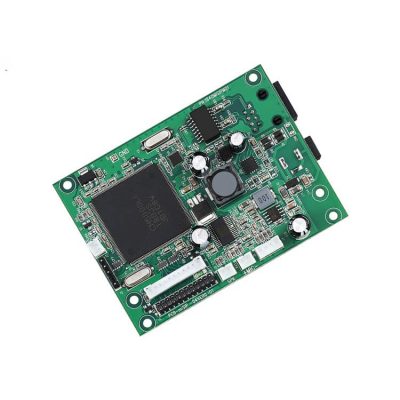
Pilot Builds
Pilot builds are suitable for projects that have moved beyond early prototypes and need a small production quantity using the intended BOM, assembly process, inspection plan, and test requirements.
They provide an opportunity to confirm that the released manufacturing information is suitable before additional batches are scheduled.
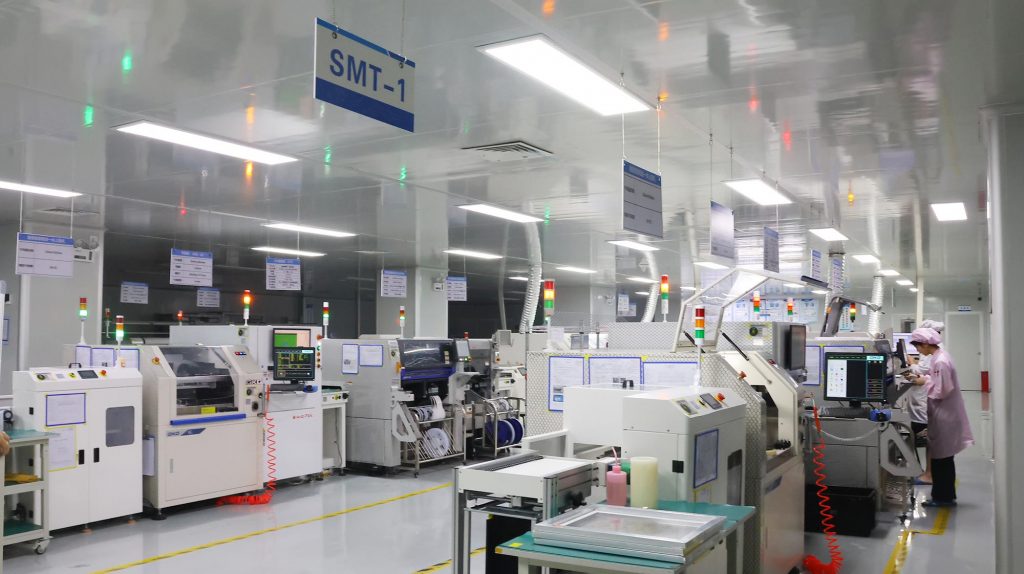
Repeat Small-Batch Orders
Some medical electronics programs remain at relatively low volumes throughout their product life.
SugaMed supports recurring production where each order needs to follow the current PCB revision, BOM, assembly requirements, inspection plan, and applicable test requirements.
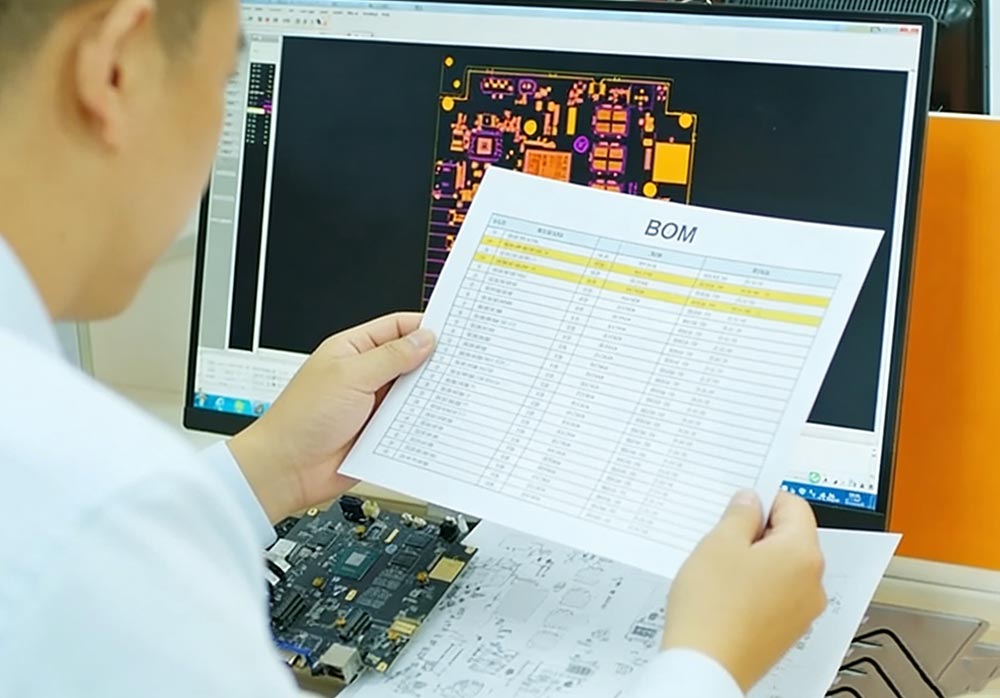
Revision-Controlled Builds
Low-volume production does not always mean the design is completely frozen.
PCB layouts, BOMs, firmware, or assembly requirements may continue to change. Different releases are identified so that the factory builds the intended version for each order.
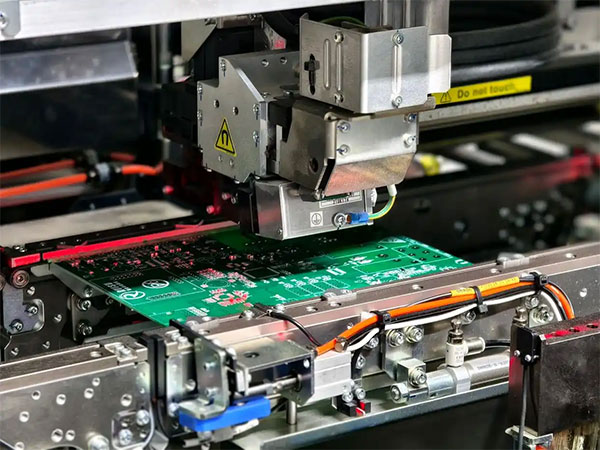
High-Mix and Multi-Model Production
Low-volume programs may include several PCB versions or product configurations with relatively small quantities per model.
Manufacturing data, materials, programming requirements, inspection criteria, and test requirements are separated according to the applicable build configuration.
SMT & THT
Mixed Technology
Flex & Rigid-Flex
BGA X-Ray Inspection
Project-Specific Testing
Low-volume projects can include SMT, THT, mixed-technology assembly, double-sided assembly, flex PCBA, and rigid-flex PCBA.
For assemblies containing BGA packages, 100% X-ray inspection is performed for BGA solder joints. Other package-specific inspection and electrical or functional testing are applied according to the approved project requirements.
Revision and Configuration Control for Repeat Builds
When a low-volume order returns to production, the manufacturing team needs to know exactly which version should be built.
The released production information may include:
PCB Revision
The PCB data approved for the current production order.
BOM Revision
The approved component list together with any customer-approved substitutions.
Assembly Information
Placement data, component orientation, assembly drawings, and applicable manufacturing instructions.
Programming Requirements
Firmware or programming files and revision information where programming is part of the assembly process.
Inspection and Test Requirements
The inspection criteria, test procedures, and acceptance requirements assigned to the current build.
MES records can connect the board or production batch with material loading, inspection results, test data, and defect or repair records where applicable.
When a revised PCB, BOM, component, or manufacturing requirement is introduced, the updated information is reviewed before the new version is released to production.
PCB Revision
BOM Revision
Assembly Information
Programming Requirements
Inspection & Test
Production Batch
MES Record
Material Planning for Repeat Orders
Material planning becomes more important once a project moves from one-time prototypes into recurring production.
BOM Availability Review
Before purchasing, the BOM can be reviewed for component availability, long lead times, lifecycle status, and sourcing risks that may affect the current or future build.
Finding these issues earlier gives the project team more time to address them before they affect the production schedule.
Controlled Component Changes
If an original component becomes unavailable, an alternative is not introduced automatically.
The proposed substitution is reviewed and submitted for customer approval before it is used in production.
This prevents an unapproved substitute from entering the build.
Planning for the Next Build
For recurring orders, component availability and expected demand can be reviewed before the next purchasing cycle begins.
This helps identify long-lead or supply-constrained parts earlier and reduces the need to restart material planning from zero for every small batch.
Full-Turnkey Component Sourcing
SugaMed provides full-turnkey component sourcing and material management through the SUGA supply chain.
Customer-consigned components are not supported.
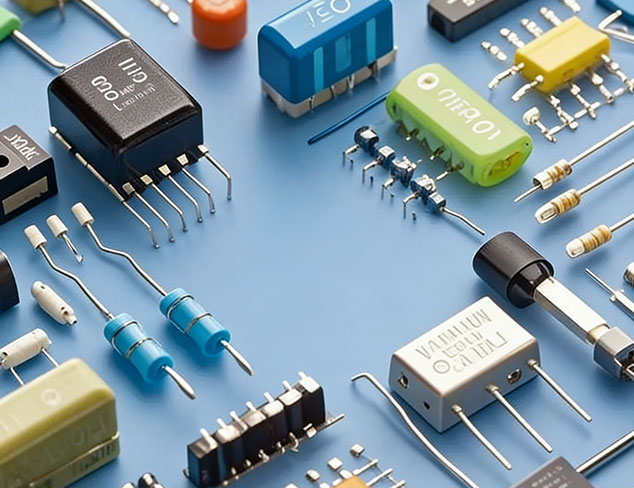
Prototype vs Low Volume vs Repeat Production
The difference between these stages is not only the number of boards being assembled. The manufacturing priorities also change as the project matures.
| Prototype | Low Volume | Repeat Production | |
|---|---|---|---|
| Primary Goal | Verify and refine the design | Establish repeatable small-batch manufacturing | Maintain released production |
| Typical Quantity | From 1 unit | From 50 units | Project dependent |
| Design Changes | Frequent | Controlled revisions | Released configuration |
| Material Planning | Build-specific | Repeat-order planning | Ongoing supply planning |
| Manufacturing Priority | Flexibility | Repeatability | Consistency and capacity |
| Documentation | Build records | Revision and batch control | Controlled production records |
Prototype
Low Volume
Repeat Production
Projects that are still changing frequently may be better suited to our Prototype PCB Assembly service.
Low-volume production becomes a better fit once the project needs repeat builds using defined PCB revisions, BOMs, materials, inspection requirements, and production records.
ISO 13485
Quality Management
IPC Class 2 or Class 3
As Specified
MES & SAP
Manufacturing Records
Low Volume PCB Assembly FAQ
Our low-volume PCB assembly service starts from 50 units.
For engineering builds or quantities starting from a single assembly, see our Prototype PCB Assembly service.
No.
Prototype assembly is primarily used for design verification, engineering evaluation, and projects where changes may still occur frequently.
Low-volume assembly is better suited to pilot production and repeat small-batch orders where PCB revisions, BOMs, materials, inspection requirements, and production records need tighter control between builds.
Yes.
Repeat orders can be manufactured against the released PCB revision, BOM, assembly information, inspection requirements, and applicable test requirements.
If the project changes between batches, the revised manufacturing package is reviewed before production.
The PCB data, BOM, placement information, assembly requirements, and other applicable manufacturing files are checked against the current project revision before production release.
When a new revision is introduced, the updated information replaces the previous manufacturing configuration only after the change has been reviewed.
Yes. SugaMed provides full-turnkey component sourcing and material management.
We do not support customer-consigned component assembly.
If an alternative component becomes necessary, the proposed substitution is reviewed and approved before use.
Component availability can be reviewed before purchasing and production.
If the original component cannot be sourced, an alternative may be evaluated. The substitute is not introduced into production until the proposed change has been reviewed and approved.
Inspection and testing are defined according to the assembly and approved project requirements.
Depending on the build, this can include SPI, AOI, first article inspection, BGA X-ray inspection, ICT, functional testing, or other agreed inspection and test methods.
For prototype SMT assemblies, 100% post-reflow AOI is performed. 100% X-ray inspection is performed for BGA solder joints.
Yes, where required by the project.
SugaMed can provide applicable manufacturing information, inspection data, test results, and agreed production records to support a customer-defined validation plan.
The validation scope, acceptance criteria, number of production runs, and required documentation are defined according to the customer’s requirements and approved project documentation.
Start Your Low Volume PCB Assembly Project
Send us your available PCB data, BOM, expected build quantity, and assembly or test requirements.
Our engineering team can review the PCB revision, BOM, expected quantity, component availability, and assembly requirements before materials are purchased and production is released.
What to Send
- PCB Data / Gerber / ODB++
- BOM
- Expected Build Quantity
- Placement / Assembly Data
- Inspection / Test Requirements