
Medical Device PCBA

Patient Monitoring Device PCB Assembly

A Quick Note on What Makes Patient Monitoring PCBA Different

Patient monitoring boards aren’t ordinary electronics. The signals are tiny, the safety standards are strict, and the device usually has to keep working — quietly and reliably — for years.
That changes a lot of things on the manufacturing side. You can’t really treat an ECG front-end the same way you’d treat a consumer wearable, even if the bill of materials looks similar on paper. Leakage current matters. Layout discipline matters. So does where you source the AFE chip from.
This is the part of medical electronics we focus on. Not as a side category — as the core of what we do.

Devices We Build PCBA For

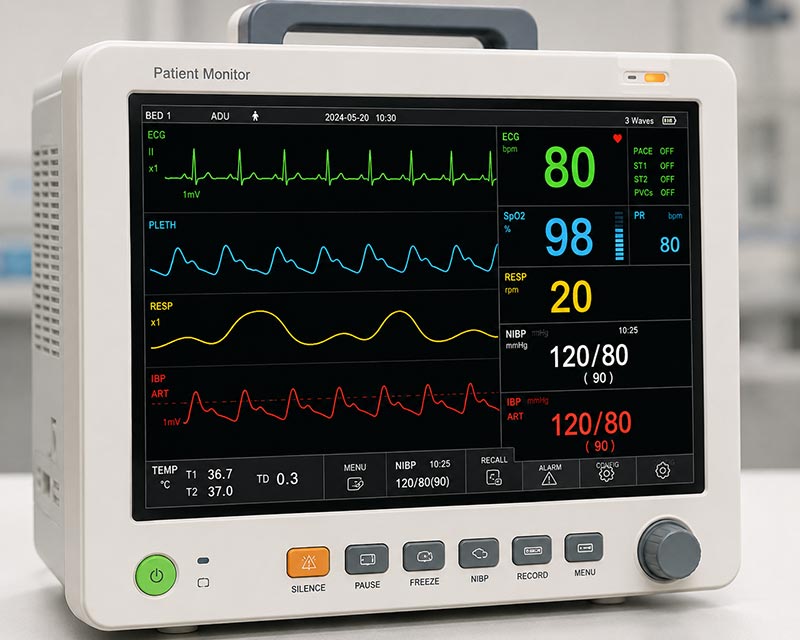
Patient-Monitor
Patient Monitor PCBA

Multi-parameter mainboards combining ECG, SpO2, NIBP, temperature, and respiration on one architecture. Usually with high-speed data handling, a touchscreen drive section, and proper isolation between patient-side and mains-side circuits.
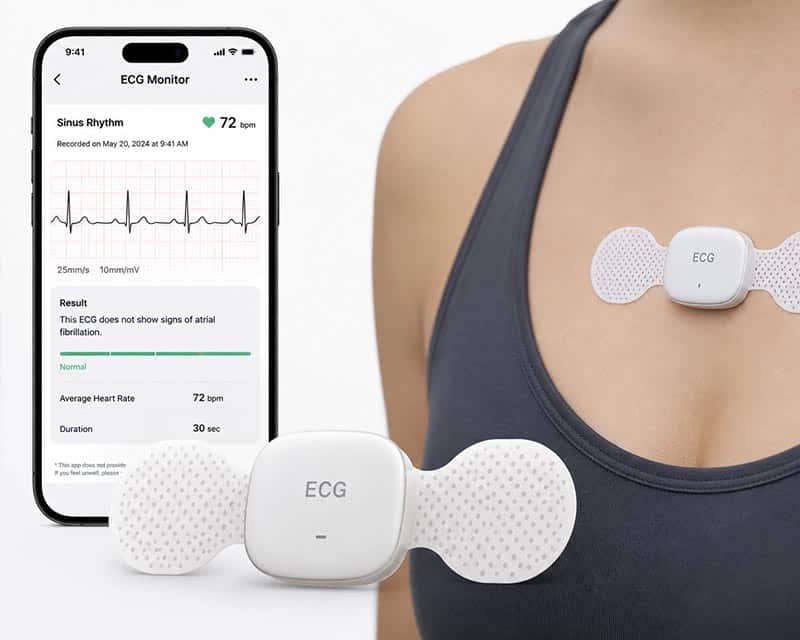
ECG-patch
ECG Patch PCBA

Diagnostic ECG, Holter recorders, and wearable patches — including the flexible and rigid-flex builds you typically need for skin-contact devices. We've worked with most of the AFE chips you'd expect (ADS1298, AD8232, and a few others depending on the design).
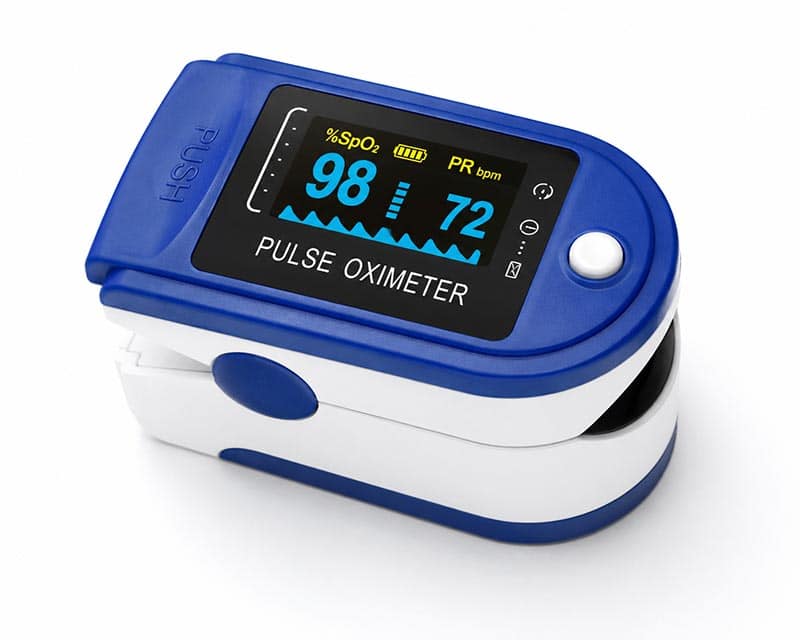
Pulse Oximeter PCBA

Fingertip, handheld, or wearable. The hard part is almost always the optical signal chain — getting a clean PPG without the LED drive corrupting the photodiode return path. Once that's right, the rest of the board is fairly standard.
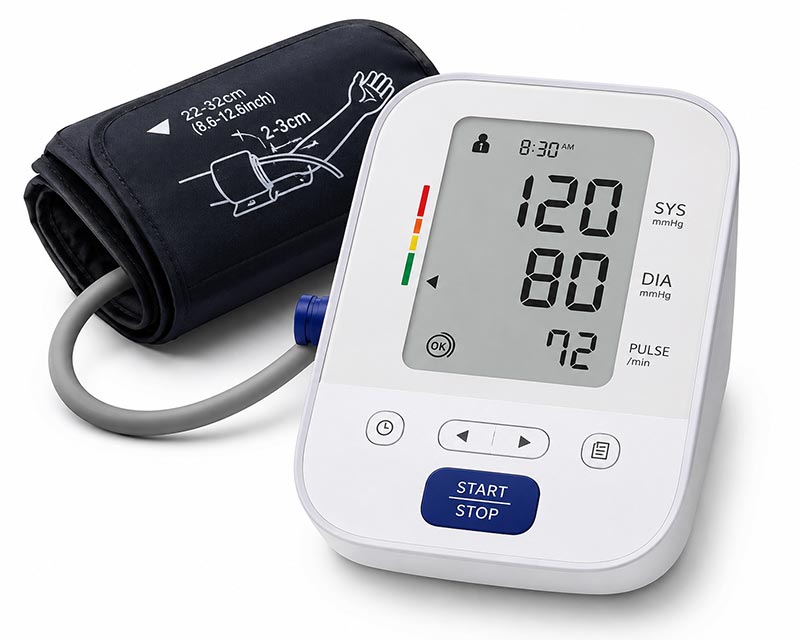
Blood-Pressure-Monitor
Blood Pressure Monitor PCBA

Oscillometric and auscultatory designs. Pressure sensor conditioning, pump and valve drive, signal processing for cuff inflation cycles. Both home-use and clinical-grade form factors.

Engineering Capabilities

Our engineering team supports PCB assembly for ECG, SpO2, and multi-parameter patient monitoring devices, including:

We also push back when something in the design looks wrong. Not every contract manufacturer does.

Process Specialization

Things We’ve Learned Are Worth Specializing In

Mixed-Signal AFE Assembly

Medical front-end chips are unforgiving about layout, soldering profile, and ESD handling. We've built up specific process notes for the chipsets that show up most often in this space.

Flexible & Rigid-Flex Assembly

Pretty much required for ECG patches and any wearable that has to bend. The yield curve here is steeper than rigid-board assembly, and we've been climbing it for a while.

Conformal Coating & Potting

For patient-contact devices and anything that might see moisture. Selective coating around connectors and test points is what usually separates a good build from a problematic one.

Ultra-Low-Power Design Validation

Most wearable monitoring devices live or die by battery life. We help validate sleep-mode current draw before it's too late to fix in firmware.

Fine-Pitch & 0201 / 01005 Placement

Standard now for compact wearables. Less standard than people think for medical-grade reliability at those sizes.

Quality & Compliance

It has to be in the system from the start, or it doesn’t really exist. What that looks like in practice:

FAQ

Do you offer low-volume PCBA for medical devices?

Yes. We work with both established medical OEMs and earlier-stage companies, starting from prototype quantities. The ISO 13485 quality system applies across all volumes — we don’t run a separate, looser process for small batches.

Controlled-impedance routing, dedicated low-noise analog ground planes, careful AFE component placement, and 100% functional testing against reference signal inputs before shipment. Most signal accuracy issues we’ve seen on incoming designs come from layout, not assembly — so we usually flag those during DFM.

Yes. Manufacturing-side documentation for Class I and Class II submissions, including process records, component traceability data, and DMR contributions. We don’t write the regulatory submission for you, but we make sure the manufacturing portion is audit-ready.

ICT, AOI, X-Ray (mostly for BGA), in-circuit functional testing, burn-in when reliability is critical, and customer-specified end-of-line protocols. The right combination depends on the design — we discuss this during NPI rather than applying a one-size-fits-all stack.

Prototypes ship in about 7 to 10 working days. Production is usually a 4 to 6 week cycle once tooling is qualified, though that depends heavily on BOM complexity and component lead times — which, as anyone in this industry knows, can shift quickly.

Yes — this is a routine part of our medical work, not an exception we make occasionally.

Yes. Box-build, cable harnessing, final functional testing, and medical-compliant packaging and labeling. Some customers use part of this service, some use all of it.

Every component lot is recorded against the assembled unit’s serial or batch number. Sourcing records are retained for the full regulated period, and traceability reports are available on request — typically within a couple of business days for routine audits.

Start Your Next Patient Monitoring Project

Upload your design files and we’ll get a real engineering-reviewed quote back to you — not just a number from a sales spreadsheet. Whether you’re moving from prototype to first production, or transferring an existing program from another supplier, we’re set up to handle it.

Scroll to Top