
SMT Assembly Services
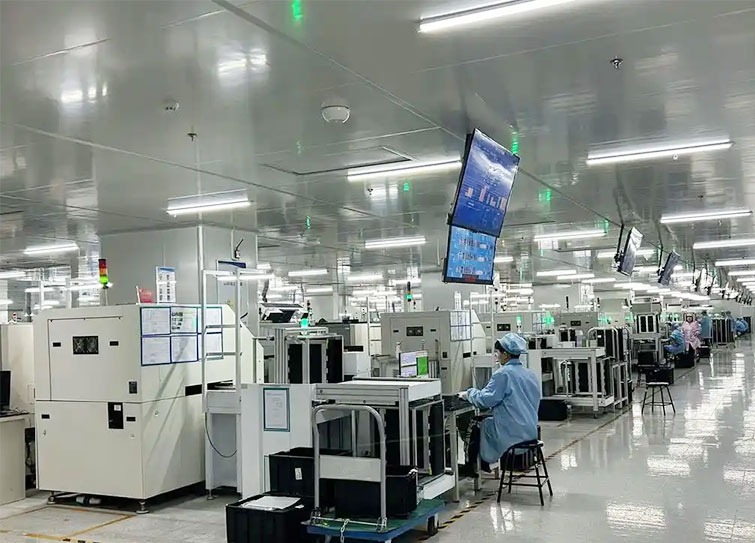
SugaMed provides SMT PCB assembly for medical electronics from prototypes and NPI builds through repeat production. Our Dongguan facility operates 15 Fuji and Yamaha SMT lines, supporting 01005 components, 0.35 mm BGA and QFN packages, double-sided SMT, mixed SMT/THT assemblies, flex PCBA, and rigid-flex PCBA.
Production is managed under an ISO 13485 quality system, with engineering review, in-process inspection, material control, traceability, and project-specific testing.
SMT Assembly Capabilities
Our SMT lines support fine-pitch components, BGA and QFN packages, double-sided SMT, mixed SMT/THT assembly, flex PCBA, and rigid-flex PCBA.
| Capability | SugaMed |
|---|---|
| SMT production lines | 15 in China |
| Placement equipment | Fuji & Yamaha |
| Smallest component | 01005 |
| Placement accuracy | ±0.035 mm |
| IC placement accuracy | ±0.025 mm |
| BGA pitch | Down to 0.35 mm |
| QFN pitch | Down to 0.35 mm |
| Connector pitch | Down to 0.4 mm |
| Reflow | 20+ heating zones |
| Temperature-control accuracy | ±1°C |
Double-sided SMT, mixed SMT/THT, flex PCBA, and rigid-flex PCBA are supported according to the released project configuration.
SMT Process and Process Controls
Each SMT build follows controlled printing, solder paste inspection, component placement, reflow, and post-reflow inspection. Additional FAI, X-ray, and electrical or functional testing are applied according to the project requirements.
Solder Paste Printing
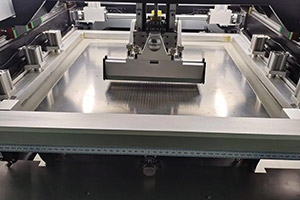
Printing parameters are established from the released PCB design, stencil configuration, pad geometry, component packages, and assembly requirements.
SUGA’s printing capability supports fine-feature applications including 01005 components, with documented printing accuracy of ±18 μm.
Solder paste and stencil information can also be recorded through the shop-floor manufacturing system for traceability.
3D Solder Paste Inspection
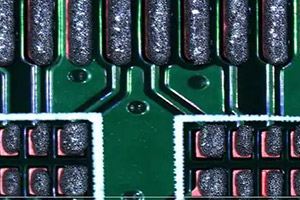
SPI is performed after printing and before component placement.
The inspection system evaluates solder paste deposition and supports a documented detection-height range of 0–450 μm. This provides an early process-control point before components enter placement and reflow.
Precision Component Placement
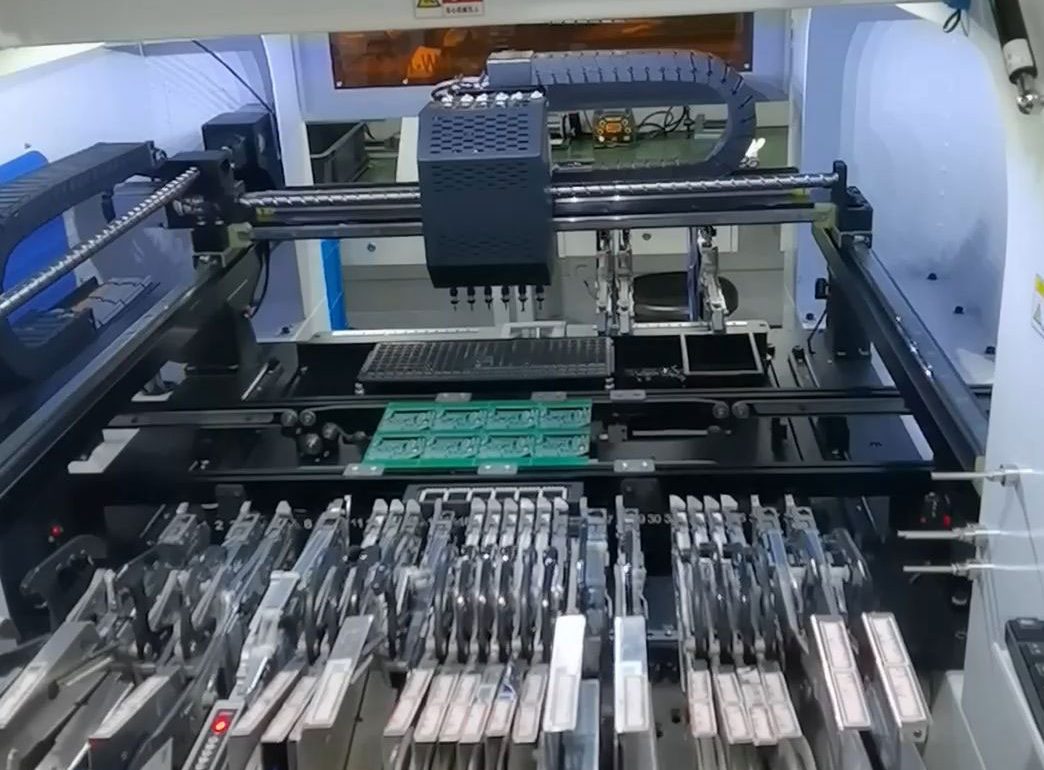
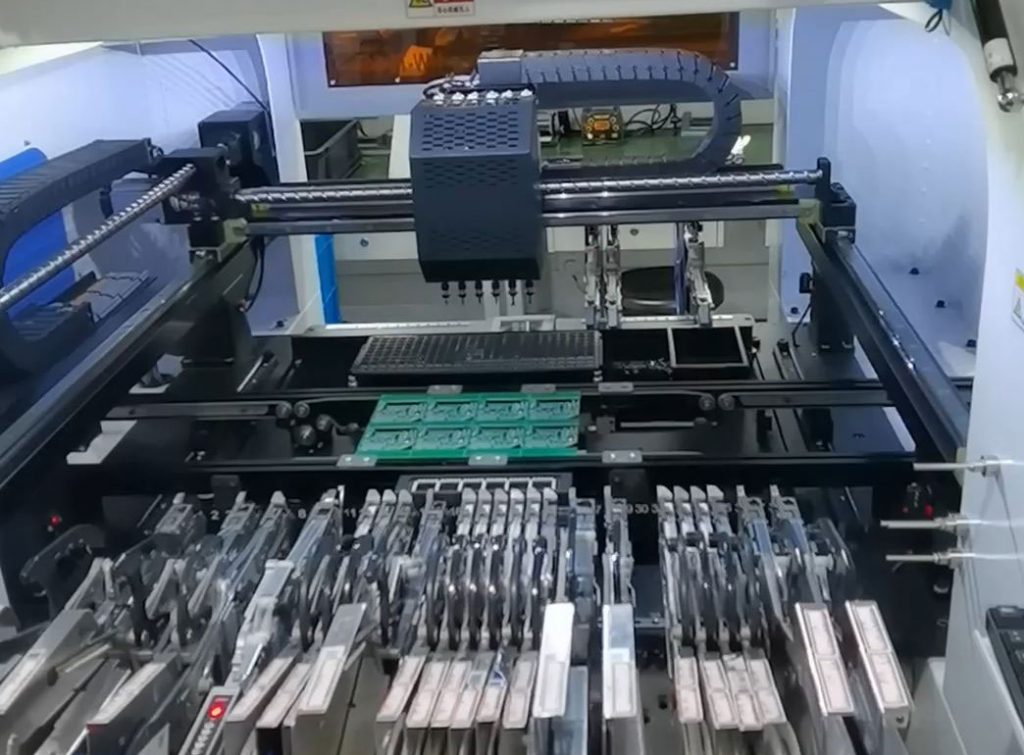
Fuji and Yamaha placement equipment supports components down to 01005, with standard placement accuracy of ±0.035 mm and IC placement accuracy up to ±0.025 mm.
The SMT process supports:
- 0.35 mm pitch BGA
- 0.35 mm pitch QFN
- 0.4 mm pitch connectors
- IC packages up to 45 × 45 mm
- Connectors up to W45 × L100 mm
Placement programs are prepared against the approved PCB, BOM, component package, and placement data before production release.
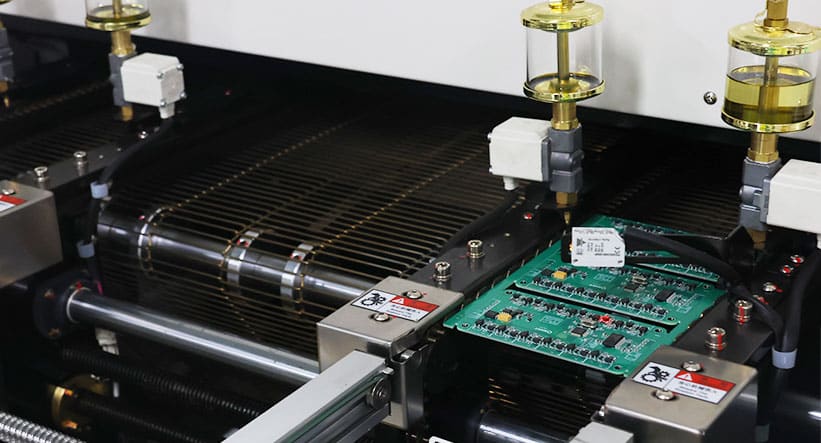
Controlled Reflow
SUGA’s reflow systems use 20+ heating zones with temperature-control accuracy of ±1°C.
Reflow settings are established according to the assembly configuration, soldering requirements, and released production conditions.
Post-Reflow AOI
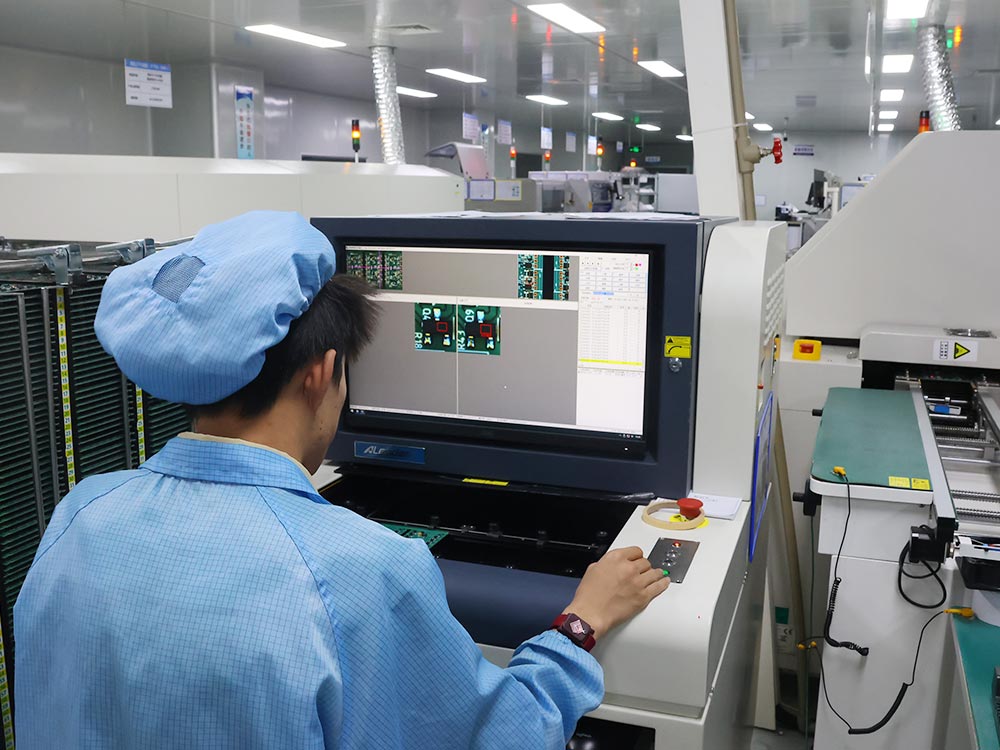
AOI is used after reflow to inspect visible placement and soldering conditions, including component presence, alignment, polarity, orientation, visible bridging, tombstoning, and accessible solder-joint conditions.
For prototype SMT assemblies, 100% post-reflow AOI is performed.
SPI evaluates solder paste before placement and reflow, while AOI checks visible assembly conditions after soldering.
X-Ray Inspection for Hidden Solder Joints
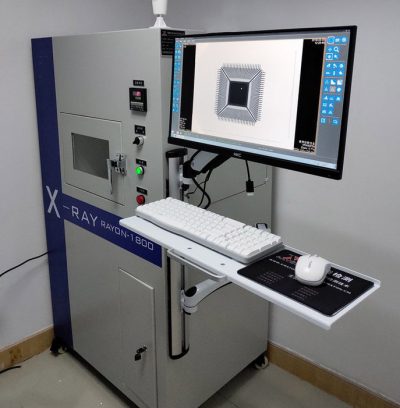
AOI cannot fully inspect solder joints underneath BGA and other bottom-terminated packages.
SugaMed performs 100% X-ray inspection for BGA solder joints. QFN, LGA, and other hidden-joint packages are inspected according to package type and the agreed inspection plan.
Learn more about our BGA Assembly Services
First Article Inspection
For new or revised SMT assemblies, FAI provides an additional checkpoint before the build proceeds through the intended production quantity.
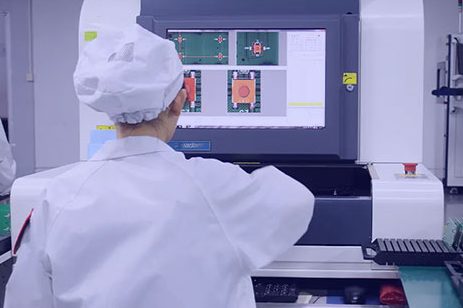
SUGA’s FAI system supports automatic programming, result evaluation, and first-article report generation. The review scope is defined from the released BOM, assembly data, and applicable project requirements.
Key SMT Process Controls
| Process Concern | Control |
|---|---|
| Solder paste variation | Printing control + SPI |
| Component offset or polarity | Placement control + AOI |
| Tombstoning or bridging | Printing, placement, and reflow control |
| Hidden BGA solder joints | X-ray inspection |
| Incorrect material loading | Material verification + MES |
| Defect or repair history | MES defect and repair records |
Optional Process Steps in SMT Assembly
Not every SMT assembly follows exactly the same sequence. Depending on the component types, soldering method, PCB configuration, flux system, and product requirements, additional manufacturing steps may be introduced into the process.
Adhesive Dispensing and Curing
Adhesive dispensing is not required for standard reflow SMT assembly, where solder paste normally holds components in position before and during reflow.
It may be used in certain mixed-technology assemblies, particularly when surface-mount components need to remain secured during a later wave-soldering process or when the assembly design requires additional temporary component retention.
When adhesive is used, the dispensing pattern and curing conditions are controlled according to the approved manufacturing process.
PCB Cleaning
A separate cleaning step may be included when required by the flux chemistry, product specification, cleanliness requirements, or customer-approved process.
Cleaning is used to remove process residues that could affect the long-term electrical or surface condition of the assembly. Depending on the soldering materials and manufacturing requirements, some assemblies using an approved no-clean process may not require a separate post-solder cleaning stage.
For medical electronics projects, cleaning requirements are evaluated together with the PCB design, materials, assembly process, and applicable customer specifications.
Controlled Rework and Reinspection
If an assembly nonconformance is identified during AOI, X-ray inspection, electrical testing, or functional testing, controlled rework may be performed using appropriate soldering and rework equipment.
The rework method depends on the component package and defect type. After rework, the affected area is reinspected and, where required, the PCB assembly is retested before release.
The objective is not simply to replace a component, but to verify that the repaired assembly continues to meet the defined workmanship and test requirements.
SMT Assemblies We Support
Fine-Pitch SMT
01005 components, fine-pitch ICs, BGA, QFN, and dense connector assemblies.
Double-Sided SMT
Sequential printing, placement, and reflow for double-sided assemblies.
BGA and QFN Assemblies
BGA and QFN packages down to 0.35 mm pitch are supported as part of our SMT assembly capability.
BGA solder joints receive 100% X-ray inspection.
Mixed SMT + THT
Surface-mount assembly can be combined with through-hole connectors and other leaded components where required by the released assembly design.
Flex and Rigid-Flex PCBA
SMT assembly is available for both flex and rigid-flex PCB constructions.
Prototype to Repeat Production
SugaMed supports engineering builds, prototypes, NPI, and repeat production as projects move through development and release.
Component Sourcing and Material Control
SugaMed provides PCB assembly with component sourcing and material management through the SUGA supply chain.
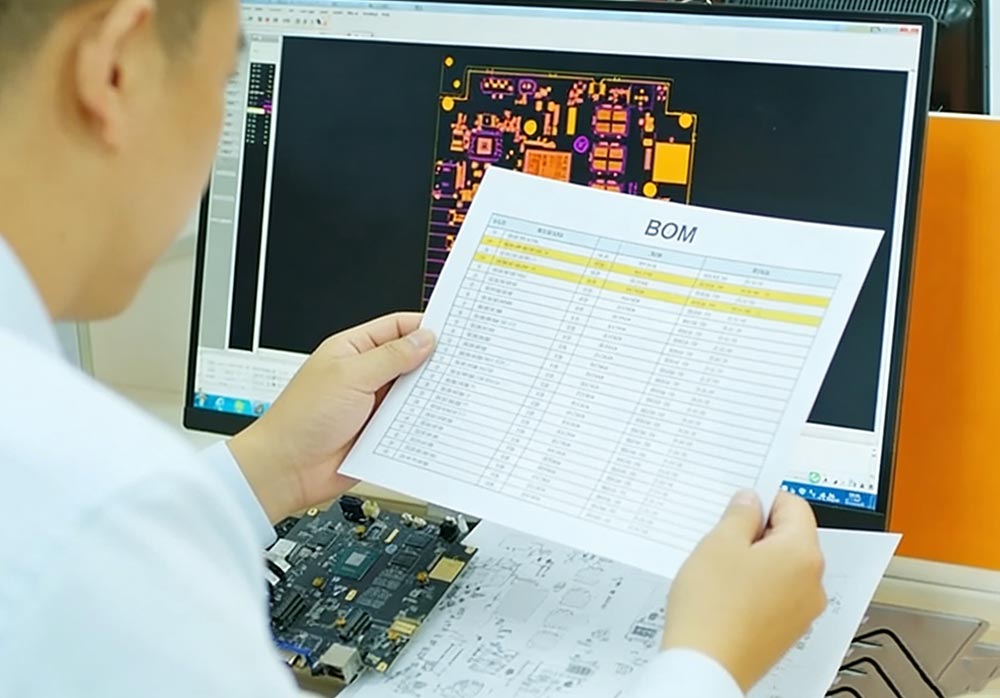
Material management includes BOM control, purchasing, incoming inspection, material identification, warehouse control, production loading, and traceability through SAP and manufacturing systems.
Customer-consigned components are not supported.
If a component substitution is required, the proposed alternative is reviewed and approved before use rather than introduced automatically.
SMT Traceability Through MES and SAP
PCB S/N
Solder Paste & Stencil
SPI
Material Loading
SMT
AOI
Test
Repair Records
SUGA’s shop-floor management system connects key production data across the SMT workflow:
MES and SAP support material traceability, inspection-data collection, defect and repair records, and production-status visibility.
This manufacturing history can support lot review, production investigation, revision control, and customer quality documentation.
Electrical and Functional Testing
Electrical and functional testing is integrated according to the approved project requirements rather than applied as a fixed step to every SMT assembly.
SUGA’s test engineering team can support test coverage evaluation, ICT and FCT fixture development, test software and hardware, MES integration, and test-data traceability.
The required test method and coverage are defined according to the assembly, available test points, production stage, and customer requirements.
Engineering Review Before SMT Production
Before production, our engineering team reviews the available PCB data, BOM, component packages, placement information, assembly requirements, and test requirements.
The review can cover fine-pitch packages, component orientation, stencil considerations, mixed SMT/THT assembly, DFM/DFA concerns, and testability where applicable.
SUGA’s NPI engineering process includes PCB/PCBA DFM, DFA, DFT, DFM tracking, and automated checking with Mentor Valor.
Any issue requiring clarification or approval is communicated before production release.
Quality Management for Medical SMT Assembly
SugaMed manufactures medical electronics under an ISO 13485 quality management system.
Quality activities include supplier quality control, incoming material inspection, SPI, FAI, AOI, in-process quality control, applicable testing, and outgoing inspection according to the approved project requirements.
IPC workmanship requirements are defined according to the intended use, reliability requirements, risk assessment, contractual requirements, and approved project documentation.
Medical SMT Assembly FAQ
No. The required IPC class depends on the intended use of the product, reliability requirements, risk assessment, and contractual requirements.
Some medical electronics may be assembled to IPC Class 2, while higher-reliability products may require Class 3. The required class should be stated in the approved project documentation.
Yes. 100% X-ray inspection is performed for BGA solder joints to evaluate hidden solder-joint conditions that cannot be fully assessed by optical inspection.
For more detailed BGA process and inspection information, see our BGA Assembly Services.
QFN, LGA, and other bottom-terminated packages are inspected according to package type and the agreed inspection plan.
Inspection requirements are confirmed during project review.
Yes. SugaMed provides full-turnkey component sourcing and material management through the SUGA supply chain.
We do not support customer-consigned component assembly.
A typical SMT manufacturing package may include:
- Gerber or ODB++ data
- BOM
- Pick-and-place / CPL file
- Assembly drawing
- Applicable fabrication or assembly notes
- Inspection requirements
- Test requirements where applicable
If the manufacturing package is not yet complete, our engineering team can first confirm what additional information is required for project review.
Yes. SugaMed supports prototypes, engineering builds, NPI, and repeat production.
Before transition to repeat production, the released PCB, BOM, component configuration, inspection requirements, test requirements, and applicable manufacturing documentation are confirmed against the approved project revision.
Request an SMT Assembly Quote
Send us your available PCB data, BOM, placement files, and assembly or test requirements.
If your manufacturing package is not yet complete, our engineering team can first confirm what information is needed for project review.
Helpful files to include
- Gerber or ODB++ data
- BOM and placement files
- Assembly and test requirements
- Prototype or production quantity