
Nebulizer PCB Assembly
Home » Therapeutic Device » Nebulizer PCB Assembly
Medical-grade PCBA for mesh, ultrasonic, and jet nebulizer designs.
What is Nebulizer PCB Assembly?
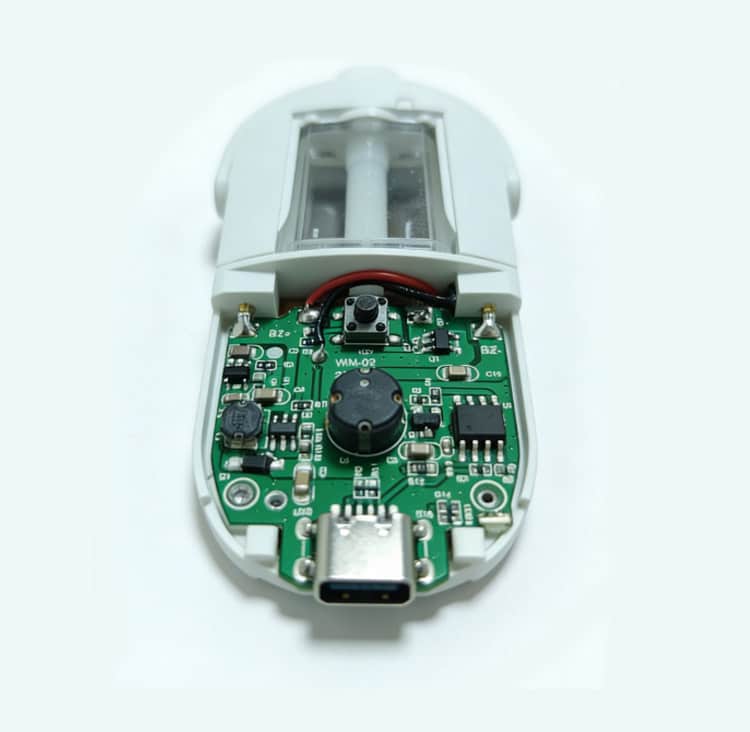
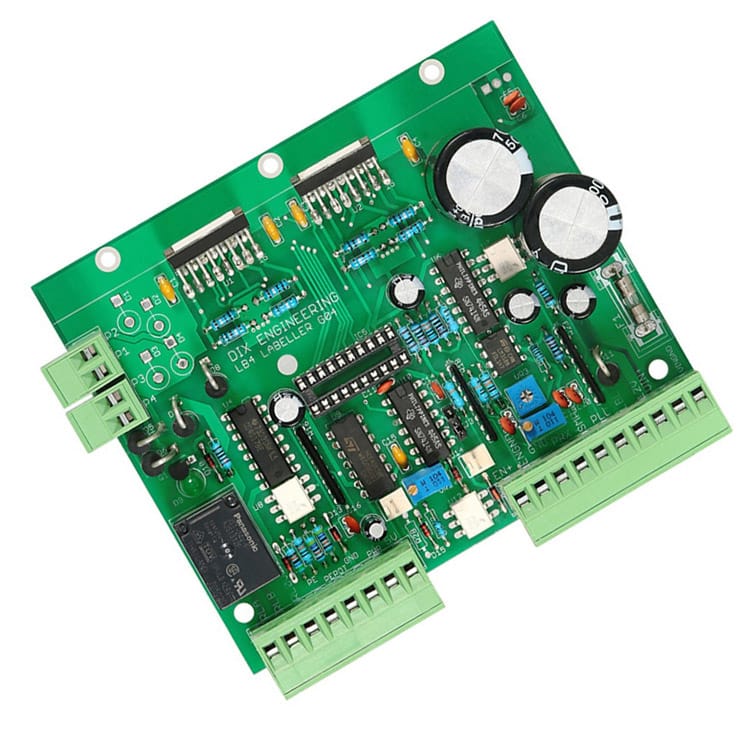
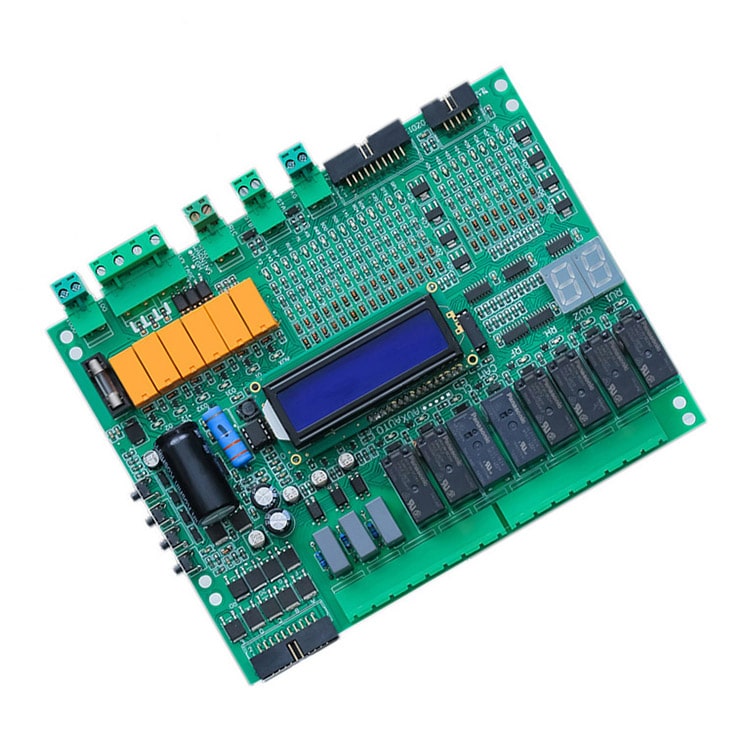
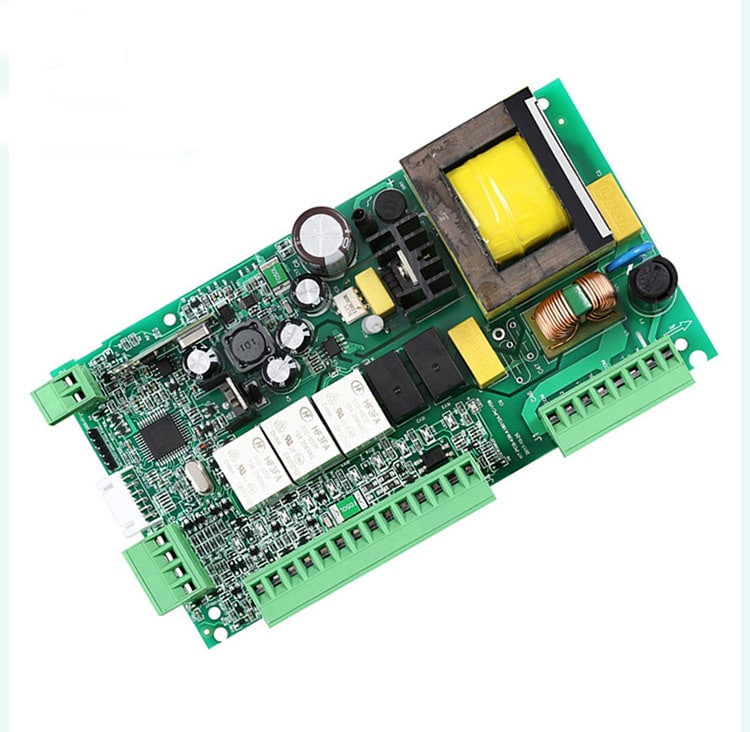
Nebulizer PCB assembly refers to the manufacturing of printed circuit boards used inside aerosol drug delivery devices — including the piezo driver boards that drive vibrating mesh elements and ultrasonic transducers, the compressor motor control boards in jet nebulizers, and the supporting boards for power, user interface, and wireless connectivity.
These boards sit at the electronics core of the device. Drive stability, atomization consistency, battery runtime, and long-term reliability all depend on PCBA design and assembly decisions made before the first prototype is built.
Sugamed manufactures PCBA for medical OEMs developing nebulizer products — from prototype runs through volume production, under ISO 13485 and IPC-A-610 Class 3.
Nebulizer Devices We Build PCBA For
Each type has a different critical path on the manufacturing side.
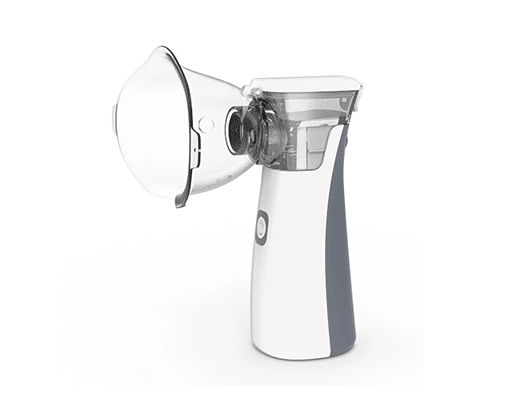
Vibrating Mesh Nebulizer
High-frequency mesh drive, low-noise power architecture, battery management
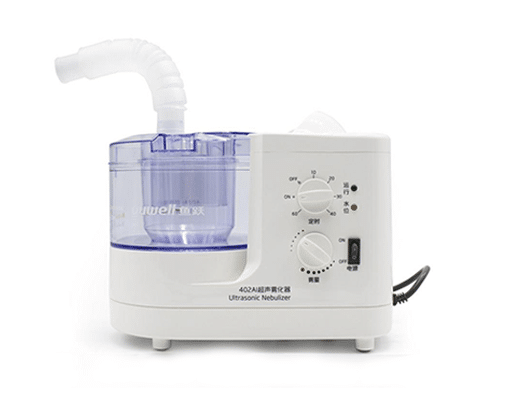
Ultrasonic Nebulizer
MHz ultrasonic control, thermal stability, aerosol consistency
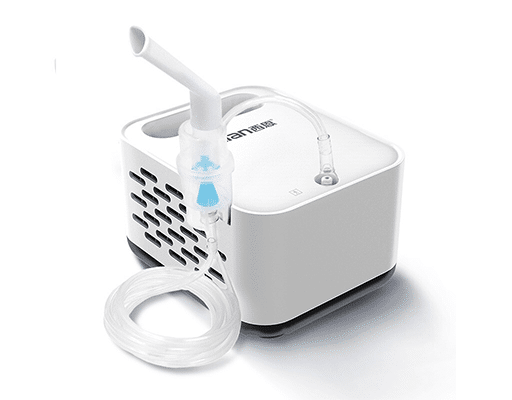
Compressor / Jet Nebulizer
Compressor motor drive, airflow regulation, long-duration operation
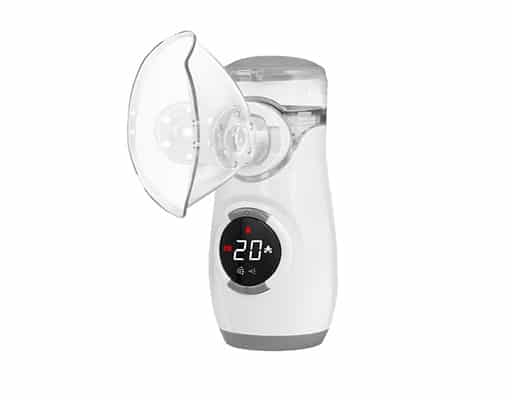
Connected Smart Nebulizer
BLE / Wi-Fi connectivity, app integration, adherence monitoring
Who builds your boards
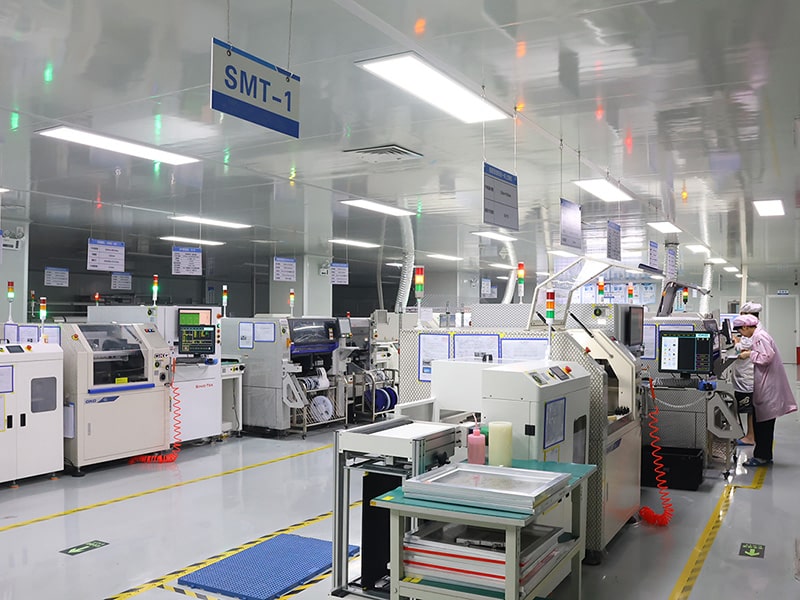
Sugamed operates a manufacturing facility with 15 Fuji and Yamaha SMT lines, 10 automatic through-hole insertion machines, multiple dedicated bonding stations, 18 PCBA assembly lines, and 40+ box-build assembly lines. Total headcount exceeds 1,100 employees. Within this capacity, dedicated medical lines are kept separate from industrial and consumer programs — relevant for ESD-sensitive components like piezo elements, and for the traceability discipline ISO 13485 requires. We assemble PCBA across respiratory therapy, infusion, neurostimulation, patient monitoring, and emergency cardiac programs. Engineers on our medical team have worked on mesh driver, ultrasonic transducer, and compressor control board projects across multiple programs.
Where Nebulizer PCBA Gets Hard
Each type has a different critical path on the manufacturing side.
01 · Piezo driver stability isn't a datasheet problem
Resonant frequency drifts with temperature, mesh loading, and component tolerance. A board that passes bench testing can fall out of resonance after 30 minutes of continuous use. LC tank topology, gate drive impedance, and feedback path reviewed at DFM — before BOM commit.
02 · Medication exposure is a reliability problem, not a coating problem
Aerosol residue migrates and degrades unprotected components over a 3–5 year service life. Coating helps — but placement, connector sealing, and barrier strategy come first. Flagged at layout review. Coating alone doesn't save a bad placement.
03 · Compact handheld designs leave no DFM margin
0402/0201 passives, fine-pitch QFN, BLE module, and a high-frequency piezo driver sharing the same board. Most respins trace back to DFM issues that should have been caught before the first stencil. Layout symmetry, RF keep-outs, and assembly feasibility reviewed before any stencil is cut.
04 · Battery runtime needs lab validation, not calculations
Datasheet quiescent numbers routinely mislead on portable builds. We validate against real load profiles — startup inrush, continuous nebulization, BLE wake cycles. Validated before design lock, not after field returns.
Compliance & Quality Standards
Medical PCBA quality is built across three layers — the standards we manufacture under, the process checkpoints embedded in every build, and the test controls applied to nebulizer-specific failure modes. Each layer is set at design review, not added after first article.
Layer 1 — Standards we manufacture under
We assemble medical PCBA under the following standards as a manufacturer:
- ISO 13485 — medical device quality management system
- IPC-A-610 Class 3 — workmanship for high-reliability electronics
- IEC 60601-1 — experience supporting customers developing IEC 60601-1 compliant medical devices, with general safety considerations integrated at DFM
- IEC 60601-1-2 — EMC behavior reviewed at design stage to support customer EMC compliance work
- IPC-J-STD-001 — soldering process compliance for medical-grade assembly
Device-level certification — including emerging respiratory standards such as ISO 80601-2-94 (currently in development) — sits with the customer. Our manufacturing records are formatted to feed into your DHF and regulatory submission workflows.
Layer 2 — Process checkpoints
① Design Review (DFM / DFT)Resonance tolerance, layout symmetry, medication-adjacent placement, antenna keep-out vs piezo harmonics, inrush and BMS topology — reviewed before BOM commits.
② Assembly Floor Dedicated medical lines. Inline AOI on every board. X-Ray for BGA, QFN, and high-density packages. ESD-controlled environment throughout.
③ Documentation Lot-level component traceability. AOI and X-Ray image archives. Functional test records. Process validation documentation. Output formatted for FDA 510(k), EU MDR, and NMPA workflows.
Layer 3 — Nebulizer-specific test controls
Standard medical PCBA controls plus the following, set during design review:
- Piezo driver resonance verification at operating conditions
- Compressor inrush and thermal profile testing
- Conformal coating zone verification under UV inspection
- BMS standby current validation on actual board
- ESD-controlled handling for piezo elements throughout assembly
- Incoming piezo element inspection — resonance consistency at goods-in
FAQ
What's the difference between mesh, ultrasonic, and jet nebulizer PCBA?
Mesh and ultrasonic boards are dominated by piezoelectric drive — resonance matching, layout discipline, and EMC behavior are the engineering problems. Jet PCBA shifts to motor control, PWM strategy, and inrush handling. Similar at BOM level. Different on the assembly floor.
Can you assemble piezo driver boards for mesh nebulizers?
Yes. Fixed-frequency and adaptive-frequency topologies. Resonance verification is standard at functional test. Incoming piezo inspection is also standard — consistency starts at goods-in, not at functional test.
What's the lead time for a nebulizer PCBA prototype?
Typically 3–4 weeks from approved Gerber and BOM. Long-lead items — piezo drivers, BLE modules, custom transducers — flagged at BOM review. Lead time confirmed then; current supply conditions can extend this for specialist components.
How do you handle medication exposure and moisture risk?
At layout review, not at coating. Conformal coating is a tool, not a strategy. Component placement, connector sealing, and barrier planning are flagged before the design locks — coating is applied to the right zones at the right thickness.
Do you support portable / battery-powered nebulizer designs?
Yes. Wide-input front ends (typically USB-C with appropriate isolation), Li-ion BMS, low-quiescent standby designs are routine. Runtime validated against your actual functional profile — not datasheet quiescent numbers, which routinely mislead on portable medical builds.
How is nebulizer PCBA different from CPAP/BiPAP PCBA?
Different drive technology, different failure modes, different standards. Sleep apnea therapy electronics center on blower motor control and pressure regulation — ISO 80601-2-70 at device level. Nebulizer PCBA centers on piezo or compressor drive and aerosol stability — with ISO 80601-2-94 emerging as the device-specific standard. Same manufacturing-grade controls; different board engineering.
What's your minimum order quantity for nebulizer PCBA?
We’re built for low-volume high-mix medical manufacturing. Prototype runs start from 5–10 boards. Pilot runs typically 50–500. Mass production scales from 1,000 units annually upward. We don’t impose blanket MOQs across all programs — quantities are set against your DVT plan and forecast at quote stage.
Do you support prototype-to-mass-production transitions?
Yes — that’s our core profile. The same engineering team and the same medical line carries your program from first-article through pilot and into volume production. Process validation, test fixture qualification, and traceability records build up across these stages so you don’t restart documentation when volumes scale.
Start your nebulizer PCBA project
Quote from our medical PCBA engineers within 24 hours.