
Medical Device PCBA

CPAP / BiPAP PCB Assembly

Purpose-built PCBA for positive airway pressure therapy devices — pressure-accurate, EMI-clean, and ready for ISO 80601-2-70 and FDA 510(k) documentation workflows.

What Is a CPAP / BiPAP PCBA?

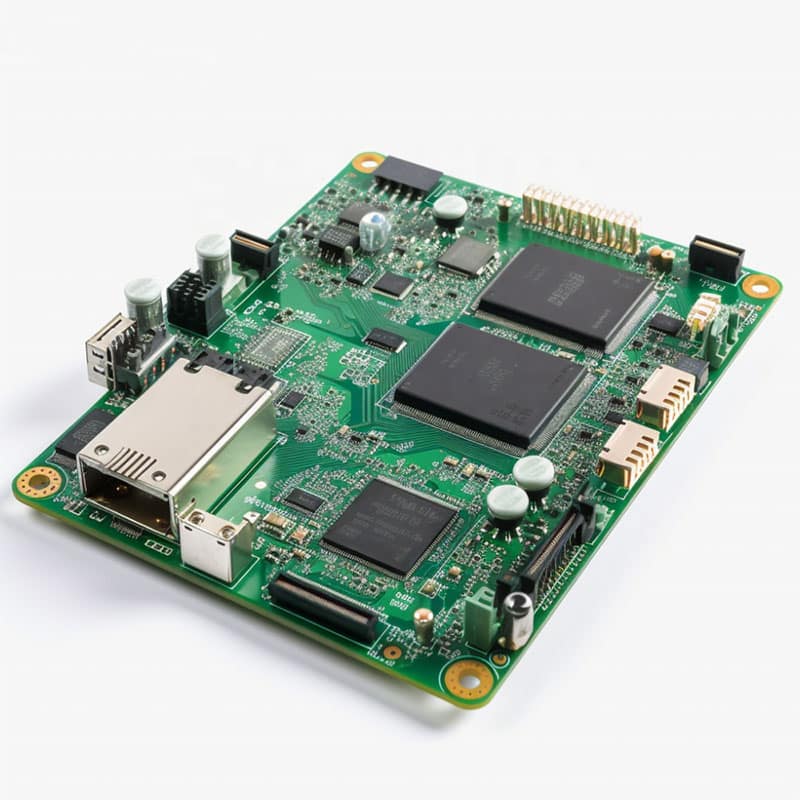
cpap-pcb-1
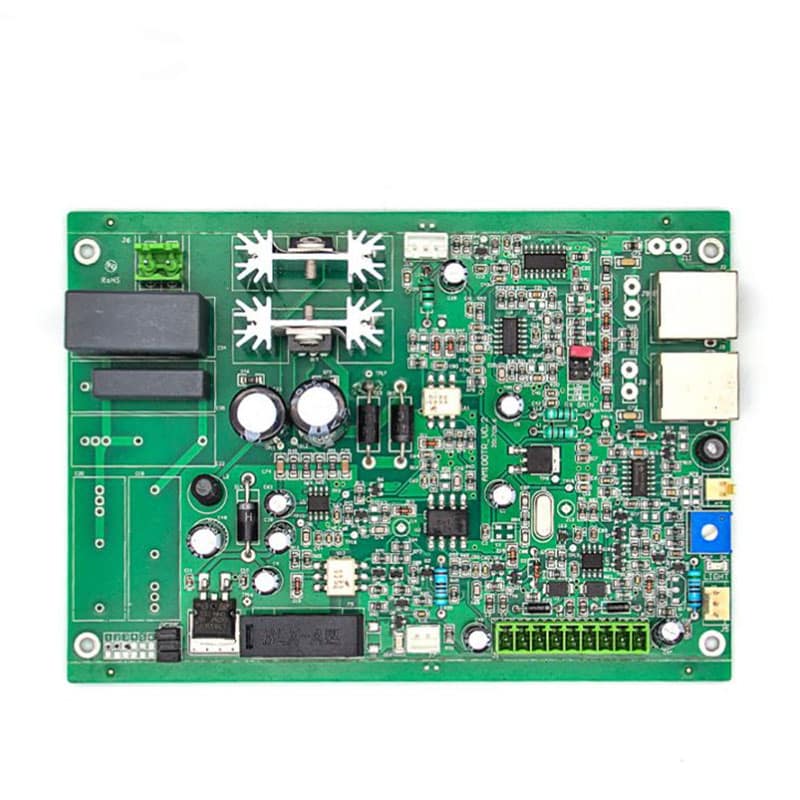
cpap-pcb-2
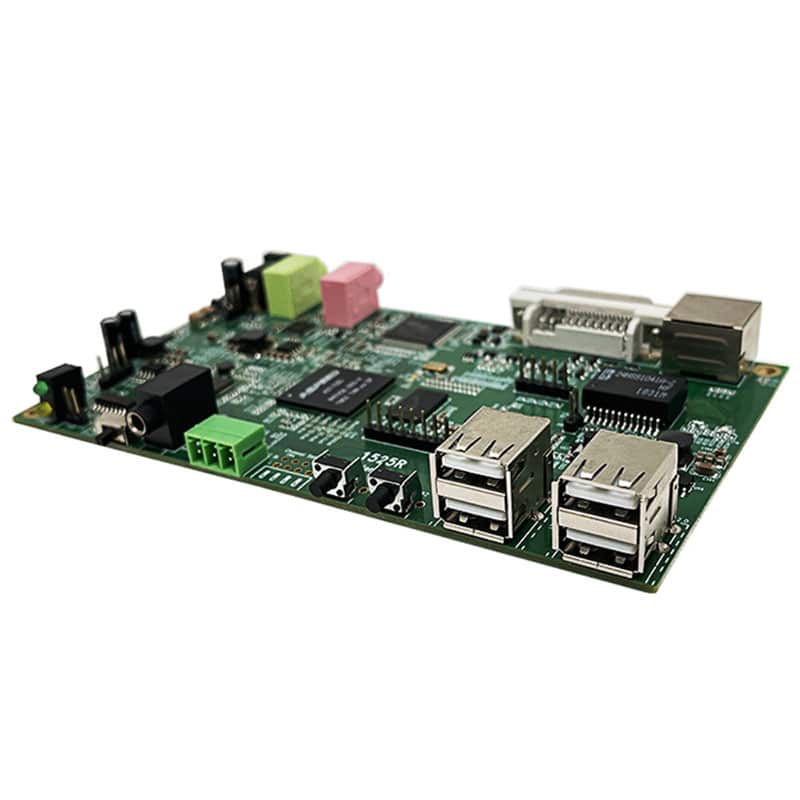
cpap-pcb-3

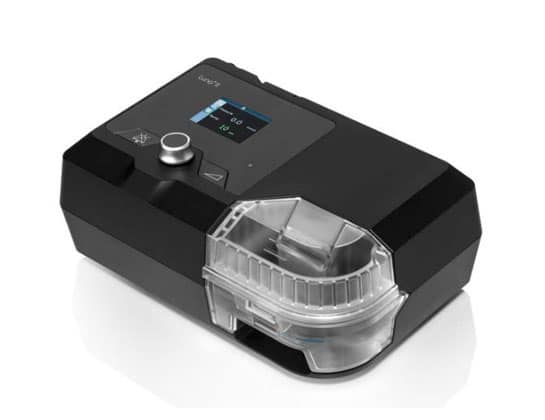
CPAP and BiPAP devices deliver precisely controlled airflow to keep a patient’s airway open during sleep — a therapy where pressure accuracy, quiet motor operation, and uninterrupted power are non-negotiable clinical requirements.

Unlike infusion pumps, where the primary risk is dosing error, CPAP/BiPAP devices must manage a closed-loop pneumatic system in real time: sensing airway resistance, adjusting blower speed within a controlled response window, and logging therapy data across every session. Every PCBA in the stack — from the motor driver to the humidifier control board — must perform consistently across years of nightly use.

A typical CPAP / BiPAP PCBA stack includes a main control board running pressure algorithms and safety logic, a BLDC motor driver board converting commands into precise blower speed, a pressure and flow sensing interface board, a heated humidifier temperature control board, a power management board supporting both AC input and battery backup, and a connectivity module handling BLE or Wi-Fi therapy data upload.

CPAP / BiPAP Devices We Support

We build PCBA for every variant in the PAP therapy category — each with its own critical path.

CPAP
Fixed-Pressure CPAP

Single-pressure delivery with continuous motor control. Build focus: low-noise BLDC driver layout, EMI containment, long-term motor thermal management.
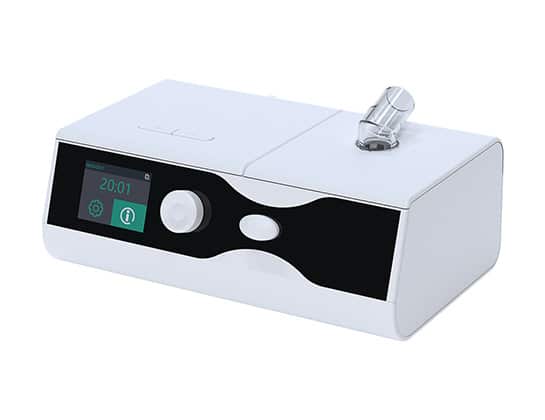
Home Care · Sleep Clinics
APAP
Auto-Titrating APAP

Closed-loop pressure adjustment based on real-time flow sensing. Tighter tolerances on ADC signal integrity and sensor interface layout. Algorithm response characteristics validated at board level during DVT.
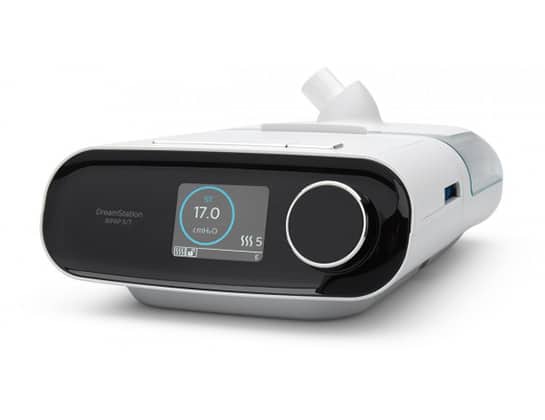
Home Care · Sleep Clinics
BiPAP
BiPAP / BiPAP ST

Dual-pressure switching between inspiratory and expiratory phases. PCBA build supports precise pressure transition timing and, for ST variants, backup breath-rate circuitry as designed — verified through functional test profiles.
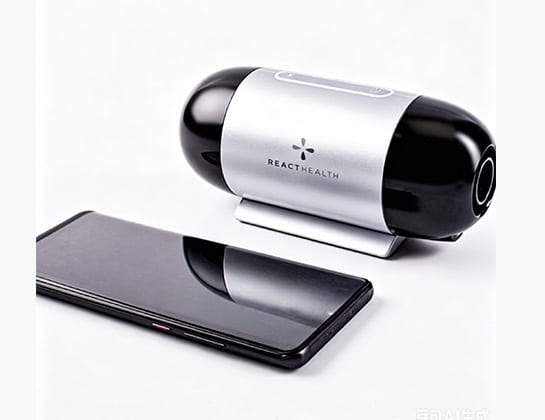
Hospital · Respiratory Therapy
Travel-CPAP
Travel CPAP

High-density HDI boards with ultra-low-power SoM and discrete BMS. Test profiles include battery runtime, wide-voltage input validation (100–240 V), and mechanical vibration tolerance that home-unit builds never require.

Home Care · Travel

Engineering Challenges in CPAP / BiPAP PCBA

Pressure accuracy is a signal chain problem before it's a sensor problem.

We map every build-side contributor to pressure error at DFM review — not during DVT.

Your BLDC blower is the biggest EMC liability on the board.​

Layout, PWM, and ground plane reviewed before fabrication — not in the EMC chamber.

Humidity degrades boards that weren't designed for it.

MSL assessment, conformal coating, and thermal boundary handled at layout stage.

BiPAP ST adds software validation complexity most builds don't anticipate.​

IEC 62304 considerations planned into the test process from day one.

Compliance and Regulatory Standards

Six board types, each with its own DFM, EMC, and functional test profile.

① Design Review

IEC 60601-1
ISO 80601-2-70
IEC 60601-1-2 EMC
MSL & Creepage Flagged

② Manufacturing

IPC-A-610 Class 3
Inline AOI
X-Ray for BGA / QFN
Lot-Level Traceability

③ Documentation

FDA 510(k) Support
EU MDR Support
NMPA Documentation
DHF Inputs · Validation

FAQ

How is CPAP / BiPAP PCBA different from infusion pump PCBA?

Different risk profiles, different critical paths. Infusion pump PCBA centers on dosing accuracy and occlusion detection, governed by IEC 60601-2-24. CPAP / BiPAP PCBA centers on pneumatic control and EMC, governed by ISO 80601-2-70.

Typically 3–5 weeks from approved Gerber and BOM. Long-lead wireless modules or custom sensors are flagged at BOM review, not after they delay the build.

Yes. ADC sampling, sensor interface, MCU interrupt latency, motor driver layout, and PWM strategy are reviewed together at DFM — not in isolation.

Yes, including 100–240V input validation and battery switching circuit testing. Runtime verification is built into the functional test profile.

Yes. Antenna placement review and coexistence testing are included. Therapy data logging functions — AHI, leak rate, session duration — verified against module coexistence requirements before sign-off.

Start Your CPAP / BiPAP PCBA Project

Get a quote from our medical PCBA engineers within 24 hours.

Scroll to Top