
Medical Prototype PCB Assembly
Home » Prototype PCB Assembly
SugaMed supports first working boards, revised designs, engineering verification builds, first articles, and pilot runs at our manufacturing facility in Dongguan, China. Projects can start from one assembled board and can be supplied as turnkey, partial-turnkey, or consigned-component builds.
- Prototype builds from 1 unit
- ISO 13485 quality management system
- 100% post-reflow AOI for prototype SMT assemblies
- 100% X-ray inspection for BGA solder joints
- Quick-turn options after files and materials are reviewed
IPC-A-610 Class 2 or Class 3 workmanship criteria are applied according to the approved project requirements.
Medical Prototype Builds We Support
Medical device development often requires several PCB revisions before the design is ready for repeat production. Our prototype assembly service supports projects that need engineering feedback, controlled assembly, inspection, and a practical route into low-volume manufacturing.
Typical projects include:
- Engineering proof-of-concept builds
- EVT and DVT assemblies
- Revised PCB and BOM versions
- First article builds
- Small engineering pilot runs
- Replacement or alternative component evaluations
- Prototype-to-low-volume production transfers
We support prototype PCBA for medical imaging systems, patient monitoring devices, portable diagnostic equipment, therapeutic electronics, sensor modules, wearable medical electronics, and other medical electronic devices.
Different versions can be assembled within the same project when the PCB revision, BOM, and placement data are clearly identified.
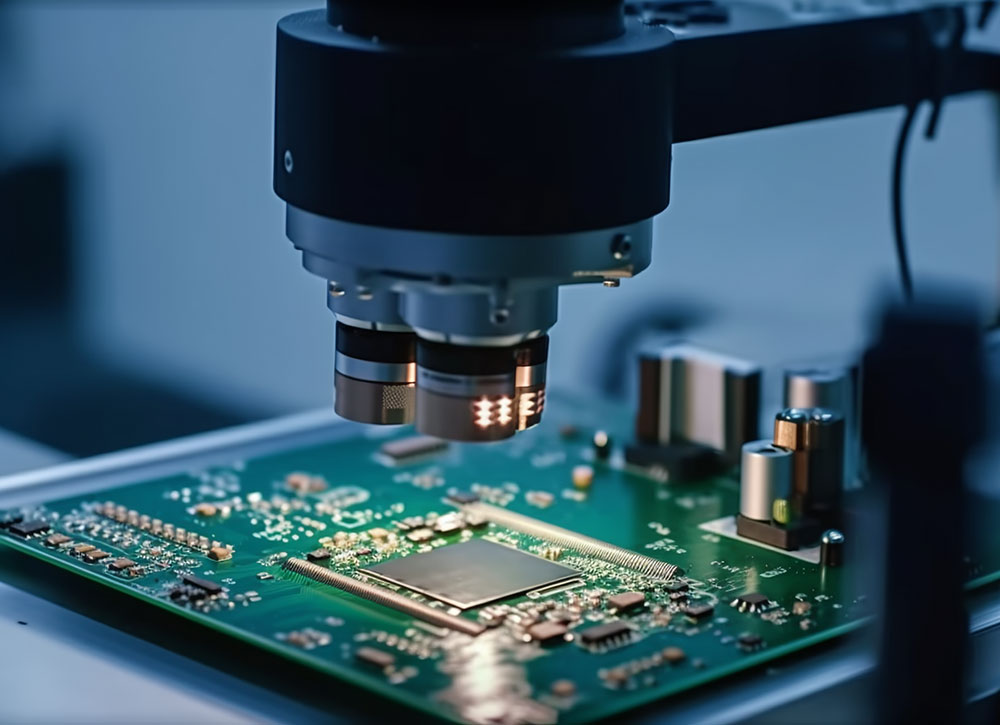
Why Controlled Prototype Assembly Matters for Medical Electronics
A prototype build is not only a way to see whether a board powers on. It should also help the engineering team understand whether an issue comes from the design, the components, or the assembly process.
Controlled material handling, solder-paste inspection, post-reflow AOI, BGA X-ray inspection, and agreed testing requirements provide useful evidence when a board requires debugging or revision.
Clear control of the PCB revision, BOM, placement data, approved substitutions, inspection results, and repair history also makes each new build easier to compare with the previous version.
Prototype records can support design evaluation and production-transfer review. The medical device manufacturer determines how those records are used within formal verification, validation, or regulatory documentation.
Files and Initial Engineering Review
For quotation, send the available Gerber or ODB++ files, BOM, pick-and-place data, assembly drawings, and test requirements.
If the package is incomplete, send the information you currently have. We will identify missing files, obvious manufacturability concerns, component availability risks, and the next steps required before quotation or assembly.
Our Prototype PCB Assembly Capabilities
Prototype assemblies are built at our Dongguan, China facility, supported by 15 SMT lines using Fuji and Yamaha placement platforms
| Capability | Specification |
| Manufacturing location | Dongguan, China |
| SMT production lines | 15 |
| SMT platforms | Fuji and Yamaha |
| Smallest chip component | 01005 |
| BGA pitch | Down to 0.35 mm |
| QFN pitch | Down to 0.35 mm |
| Connector pitch | Down to 0.4 mm |
| Placement accuracy | ±0.035 mm |
| IC placement accuracy | ±0.025 mm |
| IC package size | Up to 45 × 45 mm |
| Connector size | Up to W45 × L100 mm |
| PCB layer support | Assembly of PCBs up to 40 layers |
| Reflow system | 20+ heating zones |
| Temperature control accuracy | ±1°C |
| PCB types | Rigid, flex, and rigid-flex |
| Assembly processes | Double-sided SMT, mixed SMT and through-hole assembly |
| Inspection capabilities | SPI, post-reflow AOI, BGA X-ray, and FAI |
The assembly process can also support:
- Double-sided SMT assembly
- Mixed SMT and through-hole components
- Wave soldering where required
- Flex PCBA assembly
- Multiple PCB revisions within one prototype project
- Component sourcing and material preparation based on the approved BOM
Capability limits are reviewed against the actual PCB layout, component package, panel design, and assembly requirements before the order is accepted.
Ready to scale? Explore our Low Volume PCB Assembly and Turnkey services
Prototype Build and Inspection Process
The main flow below is applied to every build. FAI, X-ray coverage, and testing depth are scoped per project — not treated as identical fixed steps for all work.
File Review
Material Preparation
Solder Paste + SPI
Component Placement
Reflow Soldering
Post-Reflow AOI
Project-Specific Testing
Final Inspection & Ship
First Article Inspection (FAI)
Applied to new or revised builds according to the approved project requirements.
- Part-number verification
- Placement position
- Polarity and orientation
- BOM & revision verification
- First-board inspection results
FAI report available when included in the approved project requirements.
BGA X-Ray Inspection
100% X-ray inspection for BGA solder joints. Inspection can include:
- Alignment
- Bridging
- Open-joint indications
- Insufficient solder
- Solder-ball consistency
- Voiding indications
QFN, LGA, and other bottom-terminated packages are inspected according to package type, assembly risk, and the agreed inspection plan.
Electrical & Functional Testing
Selected against project data, test points, and quantity:
- Flying probe
- In-circuit testing (suitable projects)
- Functional testing
- Power-on checks
- Customer test procedures
- Customer fixtures / programs
Test coverage and acceptance criteria are defined before production.
Prototype Quantities
From 1 Unit
Prototype quantities are based on the current engineering stage rather than a fixed production MOQ.
One-off boards can be assembled for initial engineering evaluation. Small batches can also be arranged for design comparison, verification activities, multiple revisions, or internal testing.
We support:
- One-off engineering builds
- Small prototype batches
- Revised PCB or BOM versions
- Multiple clearly identified versions within one project
- Engineering pilot builds before repeat production
Build quantity is confirmed according to the project stage, assembly complexity, component availability, and testing plan.
Typical Lead Time: 5–7 Business Days
Standard prototype assembly typically takes 5–7 business days after the production package and materials are ready.
The manufacturing schedule is confirmed after we review:
- PCB and assembly data
- BOM status and component availability
- Package types and assembly complexity
- Inspection requirements
- Test procedures and fixtures
- Special process requirements
Complex prototype projects may require 14–28 business days, particularly when they involve difficult-to-source components, multiple revisions, fine-pitch packages, special processes, or extensive functional testing.
International shipping time is not included in the manufacturing lead time.
FAQ
What files do you need for a prototype PCBA quote?
A complete production package normally includes:
- Gerber or ODB++ files
- BOM
- Pick-and-place or centroid data
- Assembly drawings
- Available test requirements
The PCB, BOM, and placement-data revisions should match.
Can we start without complete Gerber or BOM files?
Yes. Send the schematics, drawings, partial BOM, photos, existing PCB sample, or other information you have.
We will confirm what is missing and whether the project is ready for quotation, design support, reverse engineering, or further engineering preparation.
What is your minimum prototype quantity?
Prototype assembly is available from one unit.
The appropriate quantity depends on the current engineering stage, testing plan, and whether multiple revisions are required.
Can SugaMed source the PCB and components?
Yes. We support:
- Full turnkey assembly
- Partial turnkey assembly
- Consigned-component assembly
For turnkey projects, sourcing questions, shortages, and proposed alternatives are communicated before an unapproved substitution is used.
Can SugaMed source the PCB and components?
Yes. We support:
- Full turnkey assembly
- Partial turnkey assembly
- Consigned-component assembly
For turnkey projects, sourcing questions, shortages, and proposed alternatives are communicated before an unapproved substitution is used.
How are components sourced for prototype builds?
Components are sourced and managed by SugaMed according to the approved BOM. Customer-supplied or consigned components are not accepted.
If a specified component is unavailable, any proposed alternative will be reviewed with the customer before purchasing or assembly begins.
How are components sourced for prototype builds?
Components are sourced and managed by SugaMed according to the approved BOM. Customer-supplied or consigned components are not accepted.
If a specified component is unavailable, any proposed alternative will be reviewed with the customer before purchasing or assembly begins.
Start With the Project Information You Have
You do not need to wait until every production file is complete before contacting us.
Upload the available files or describe the medical device, current development stage, required quantity, target schedule, and testing needs.
Project files can be reviewed under an NDA when required.